
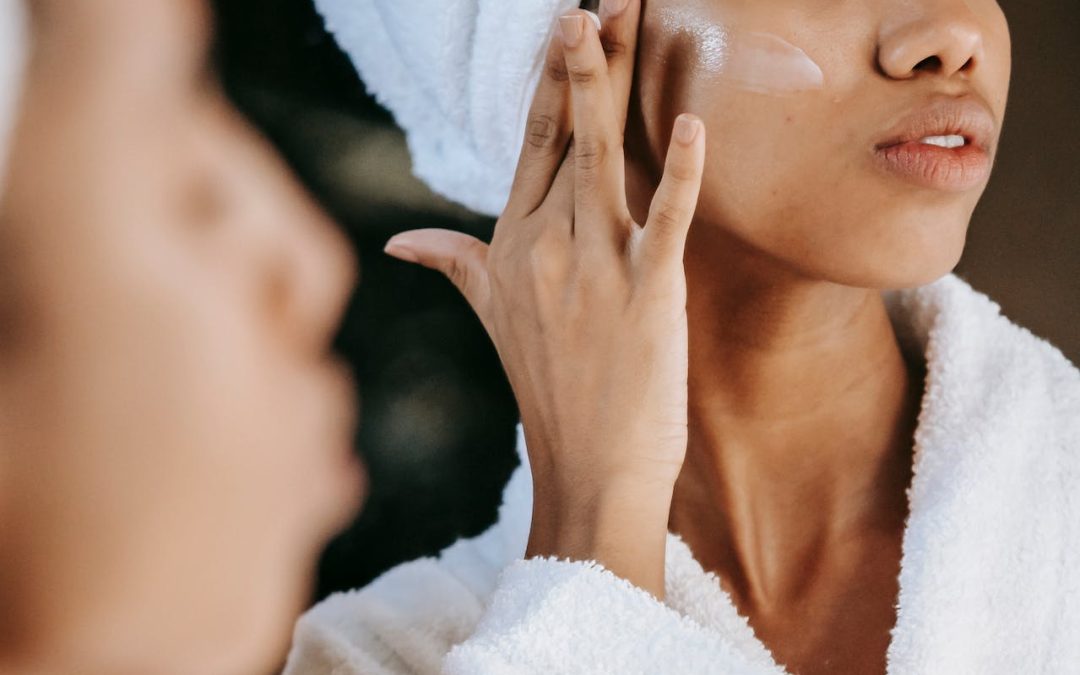
An advanced skin peel can help reduce the look of deep wrinkles by removing old skin layers and prompting new cell growth. For deeper peels, many doctors use chemical solutions such as trichloroacetic acid or phenol, which penetrate below the surface and target stubborn lines. The results are frequently smoother skin and less deep creases, but the degree of change may vary with skin type, age, and aftercare. Risks, including redness and healing time, are common and need planning. There can be pigment changes in people with darker skin. If you have deep wrinkles, advanced peels can be an option when creams or lighter peels fail. To find out what’s best, a skin doctor can recommend based on your personal needs.
Key Takeaways
- Advanced chemical peels are highly effective in targeting deep wrinkles by penetrating deeper layers of the skin and stimulating collagen production, which supports long term skin rejuvenation.
- The type of chemicals used and comprehensive expert evaluation are key. Personalized blends and professional supervision guarantee safety and best outcomes for different skin types and issues.
- Visible improvements from advanced peels, including smoother texture and reduced wrinkle depth, typically unfold over several weeks. Patience and adherence to aftercare are essential.
- Diligent moisturizing, strict sun protection, and professional follow-up visits are highly advised to preserve results.
- When compared with other treatments like laser therapy, injectables, or microneedling, advanced peels have distinct ways of working and advantages. They can be used in conjunction with these methods for holistic skin enhancement.
- A holistic skincare program combining advanced peels, quality daily care, and healthy lifestyle habits, such as hydration, nutrition, and stress management, delivers the most long-term skin benefit and rejuvenation.
What Is An Advanced Peel?
Advanced peels, such as deep chemical peels, are specialized chemical peels that penetrate beyond the surface to reach deeper layers of skin. These therapies effectively target difficult skin concerns, including deep wrinkles, discoloration, and uneven tone. Unlike superficial peels, which only address surface issues, advanced peels provide a more comprehensive skin rejuvenation solution for individuals struggling with resistant pigmentation. Tailored solutions ensure the procedure is adjusted to diverse skin types and conditions. For safety and excellent chemical peel outcomes, these treatments should only be performed by trained skincare professionals at Simply Skin Esthetics.
The Core Mechanism
Advanced peels operate by sloughing off multiple layers of dead skin cells. This reveals newer, healthier skin underneath, resulting in a fresher appearance. It’s not a surface alteration, it pushes your skin to begin healing and renewing itself. Chemical exfoliation, a crucial part of the peel, accelerates skin cell turnover. This assists in blurring fine lines and smoothing roughness.
One of the great strengths of advanced peels is that they extend into both the epidermis and into portions of the dermis, where deep wrinkles and scars reside. By attacking these layers, the peel sets off the skin’s repair mechanism, stimulating collagen generation. As the years pass, this results in improved skin texture and an even complexion.
Key Chemical Agents
Advanced peels utilize glycolic acid and trichloroacetic acid (TCA), two of the most common agents. Glycolic acid tackles light pigmentation and surface-level wrinkles, while TCA acts on deeper wrinkles and persistent spots.
The chemical is selected based upon the condition being treated. For instance, TCA is often selected for deep wrinkles, whereas glycolic acid might be appropriate for patients with uneven tone. Experts frequently combine agents or adjust concentrations to suit individual needs.
Personalized peels enable safer procedures with superior outcomes. The perfect balance ensures the peel is effective yet gentle to skin. Therefore, it is an ideal choice for diverse issues.
Beyond Surface Exfoliation
Advanced peels go a little deeper than regular peels. They reach layers where permanent damage, like deep wrinkles, forms. Addressing these spots aids in softening stubborn wrinkles and promoting healthier skin development, not just a temporary quick fix.
Long-term profits can be had. With a treatment series, texture and tone improvements are more noticeable. Healing time varies: light peels may heal in a week, while deep peels need two weeks or more. Some irritation, such as stinging or burning, is possible but typically temporary.
There’s some serious prep and aftercare involved, including steering clear of harsh products and sun. When used properly, advanced peels at Simply Skin Esthetics deliver outcomes that persist for months, leaving skin silky, smooth, and uniform.
How Advanced Peels Target Deep Wrinkles
Advanced peels, such as deep chemical peels, work through both aggressive exfoliation and deep penetration, extending into the dermis where they actually modify skin behavior. These are done with chemicals like glycolic acid, trichloroacetic acid, phenol, or high doses of resorcinol, each selected for their depth and peel strength. By reaching the dermis, these peels stimulate collagen production and help to make the skin firmer and smoother. They are used on different skin types and tones, but studies have demonstrated that they can reduce deep wrinkles, sometimes outperforming lasers. To heal from a depth peel, especially phenol or strong resorcinol, requires weeks or even months, so patience is crucial.
1. Cell Renewal
Advanced peels, such as deep chemical peels, remove layers of damaged cells, allowing fresh, healthy cells to rejuvenate. This occurs as the controlled injury induced by the peel activates a signal to renew fresh cells. As we remove those old, sun damaged or wrinkled cells, the skin underneath appears clearer and softer. This is key for deep wrinkles. Fresh cells assist in smoothing out the surface, rendering lines less apparent. With time, it reveals a more radiant, even tone, contributing to excellent chemical peel outcomes.
2. Collagen Renewal
Collagen is what gives skin its plumpness and firmness. A deep chemical peel extends to the dermis, where real collagen building occurs. Your body’s reaction to the peel is to repair itself by producing new collagen fibers. The more collagen you create, the tighter your skin feels and the fewer deep lines appear. This new tissue develops slowly, hence, chemical peel results improve in the weeks following the peel, providing permanent firmness and supporting a youthful appearance.
3. Dermal Remodeling
Dermal remodeling occurs when the skin’s deeper layers regenerate following a deep chemical peel. Advanced peels, especially phenol or strong acid types, destroy old, limp collagen and stimulate your body to deposit fresh, stronger fibers. This evens the skin’s texture and enhances firmness. For those with deep wrinkles or sagging, this remodeling can result in fewer lines and improved skin tone. The chemical peel results may persist for months if the skin is maintained.
4. Visible Progress
An advanced chemical peel doesn’t provide immediate results. The initial phase of peeling, which can extend for one to two weeks, may leave the skin looking pink or sensitive during the healing process. Over the course of the following month, the skin gradually becomes smoother and lines become softer. Postcare, such as sun protection and light moisturizing, is important. For some, the best chemical peel results emerge two or three months after a deep chemical peel.
5. Individual Factors
All skins are different, and factors such as age, skin thickness, and sun damage significantly influence the choice of chemical peel treatments. Some individuals may benefit from a deep chemical peel or multiple peels, while others may achieve excellent chemical peel outcomes with just one session. A professional can select the appropriate peel depth and control its potency, tailoring the strategy to individual skin characteristics to maximize peel results and minimize side effects.
Healing Journey
Advanced skin peels for deep wrinkles require a well-considered treatment journey, especially with chemical peel treatments. Every step, from your initial consultation with your provider to the final days of healing, can influence how effective your treatment is and how your skin heals. Both preparation and aftercare are critical to achieving excellent chemical peel outcomes, making the guidance of expert skincare professionals at Simply Skin Esthetics essential throughout this process.
- Evaluation starts with a consultation, when an expert looks at your skin type, wrinkle depth and whether or not you’re a good candidate for a peel.
- Preparation consists of skin conditioning, occasionally with topical retinoids, and avoiding harsh products for two weeks.
- A patch test is conducted 24 hours in advance to test for sensitivity.
- The peel is administered in a professional setting. Sensations such as stinging or warmth can persist for up to 20 minutes.
- Immediate aftercare calms the skin and a customized post-care regimen shields and repairs.
- Recovery can vary. There may be minimal flaking with superficial peels, or there may be redness and peeling that lasts for a week or more with deeper peels.
- Long-term follow-up involves treatments spaced two to four weeks apart and follow-up for maximal results.
Skin Evaluation
This appointment is a comprehensive evaluation of skin issues, wrinkle severity, and any pertinent health conditions. It’s time to discuss personal skincare goals and medical history with the provider, making sure this treatment is safe and effective for you at Simply Skin Esthetics.
A good consultation invites candid questions about the procedure, dangers, and outcome. This establishes confidence and aids in managing expectations. Your practitioner takes this information to craft a plan for your skin that can include specific peel strength and aftercare measures.
Skin Conditioning
Good skin prep can make a huge difference in how effective the peel is and how fast your skin heals. Most clinicians recommend a two-week regimen prior to the main peel. This can include discontinuing abrasive exfoliants and turning to gentle face washes.
Topical retinoids can be introduced to assist the skin in shedding dead layers and enhancing the peel’s absorption. Preparation reduces the potential for adverse reactions and facilitates easier healing. If you skip these steps, it may delay healing or cause you greater discomfort.
Skin Renewal Procedure
The peel begins with a mild cleanse, then the application of your selected chemical solution. Professional supervision is necessary for safety and quality outcomes. Tingling, burning, or warmth sensations are typical and can occasionally extend to 20 minutes.
The procedure itself is generally very short, typically less than an hour. Afterwards, there’s immediate care in the form of cooling creams and sun advice. Healing could take anywhere from a few days to a week or more, depending on peel depth. It may be months before skin color returns to normal.
Recovery And Aftercare
Recovery and aftercare are key to achieving excellent chemical peel outcomes from an advanced peel, particularly when treating deep wrinkles. This healing phase not only affects how resilient your skin is but also significantly influences the risk of sunburn, infection, scarring, and hyperpigmentation. Following a good aftercare plan allows the skin to heal, rebuild, and make real, long-term changes.
The Healing Phase
Recovery is when your skin does its repairing after undergoing chemical peel treatments. Post an advanced peel, your skin will initially appear red and taut. Redness can linger for a few days with lighter peels or extend for months following a depth peel. Peeling often begins a couple of days in, with dead skin sloughing off. When receiving a light peel, you will notice healing within one to seven days. For medium chemical peels, you are looking at seven to 14 days. Deep chemical peels require up to two weeks for fresh skin to grow over treated areas, but that residual redness can persist well beyond.
It’s common to experience itching or slight swelling. Try not to pick at any peeling skin or use harsh exfoliants. Allowing the skin to recover naturally minimizes scarring and pigment changes. In this phase, soaking the treated skin and applying ointment a few times a day for approximately two weeks can maintain moisture in the area and provide comfort. Mild cleansers and moisturizers nurture the new skin as it grows in, preventing it from drying out or splitting.
Critical Aftercare
- Use gentle, fragrance-free cleansers and pat skin dry.
- Apply high-quality moisturizers to keep skin hydrated.
- Apply broad-spectrum sunscreen (SPF 30 or higher) even when indoors.
- Stay out of direct sun, tanning beds and do not use harsh or exfoliating products.
- Leave peeling skin alone, never pick or scrub.
- Soak and apply ointment to treated areas as instructed.
- Apply makeup only after new skin develops, typically two weeks following the peel.
- Attend regular follow-ups with your skincare professional.
Good moisturizers and sunscreens are crucial for protecting new skin and aiding in the healing process after a chemical peel. Sun exposure can lead to pigment changes, so it’s essential to avoid direct sunlight and wear protective clothing. Frequent appointments and monitoring at Simply Skin Esthetics enable your cosmetic practitioner to assess healing and adjust your chemical peel plan as necessary.
Long-Term Maintenance
- Use gentle cleansers, hydrating serums, and non-irritating moisturizers.
- Always apply broad-spectrum SPF daily.
- Avoid products that contain alcohol or strong acids.
- Drink plenty of water for skin hydration.
- Stick with a gentle regimen. No abrasive scrubs or retinoids immediately.
These straightforward rituals simplify identifying issues and assist skin in remaining stable over time. Regular professional chemical peel treatments at Simply Skin Esthetics, such as maintenance peels, can help keep chemical peel results fresh and wrinkles less noticeable. Daily habits matter as well, plenty of water, sun protection, and a balanced peel regimen keep your skin smooth and healthy during the post-recovery period.

Comparing Your Options
Advanced skin peels, including deep chemical peels, are one of many options for those who want smoother skin and fewer deep wrinkles. Each method, whether a peel, laser, injectable, or microneedling, offers distinct benefits and has its own set of limits. The best chemical peel results often come from matching the right treatment to the right person, which calls for an honest look at both what you want and what your skin can handle.
|
Treatment Option |
Mechanism |
Recovery Time |
Best For |
Limitations |
|
Advanced Skin Peel |
Chemical exfoliation |
1 day-2 months |
Fine/deep wrinkles, pigment |
Long healing, redness |
|
Laser Therapy |
Targeted light/heat |
1-14 days |
Wrinkles, tone, scars |
Expense, not for all tones |
|
Injectables |
Volume fill/muscle relaxant |
None-a few days |
Dynamic/static wrinkles |
Temporary, repeat needed |
|
Microneedling (RF) |
Controlled dermal injury |
1-3 days |
Texture, scars, mild lines |
Subtle, requires sessions |
Versus Laser Therapy
- Advanced peels apply acid solutions to slough skin layers. Laser therapy harnesses concentrated light to thermally stimulate tissue regeneration.
- Chemical peels require anywhere from days to months to heal, particularly deep peels. Lasers require 1 to 14 days, with less swelling for certain non-ablative variants.
- Superficial peels (LHA, TCA, GA, SA, lactic acid, Jessner’s) work on darker skin types with less risk. Lasers can cause shifts in skin pigment.
- For wrinkles that go deep, lasers can penetrate deeper. Peels still have a place in broad-scale texture alteration.
- Both can be used together for a more comprehensive approach towards skin renewal.
Versus Injectables
Advanced peels, particularly chemical peels, essentially exfoliate old skin to allow new, smooth layers to emerge. Injectables, such as fillers and Simply Skin Esthetics injectables, function differently. While fillers add volume beneath the skin to fill deep lines, a depth peel can effectively target skin imperfections. These techniques can address issues that peels alone cannot, like dynamic wrinkles or deeper folds. When used in conjunction, they can tackle multiple concerns simultaneously. For most, a combination of peels and injectables, organized by a cosmetic practitioner at Simply Skin Esthetics, yields the best chemical peel results.
Versus Microneedling
Microneedling employs very fine needles to make modest, precise wounds in the skin, enhancing collagen for improved texture and reduced wrinkles. Chemical peels utilize acids to take layers of damaged cells away and can target wrinkles effectively. Both can assist with fine lines and pigment, but RF microneedling can last 12 to 18 months, allowing most individuals to return to their usual routine within 2 to 3 days. Peels, especially deep chemical peels, require more downtime but can provide larger changes overall. Ultimately, it’s a question of what you want to repair, your skin type, and how much downtime you can spare.
Beyond The Peel: Complete Skin Health
More than advanced skin peels, a holistic approach to skin health looks at day-to-day habits, lifestyle, and science-backed products to help sustain long-term change. Chemical peels, especially deep chemical peels, are no longer a spa indulgence. They’ve since taken center stage in medical skin care, providing both immediate relaxation and long-term benefits. Superficial peels alone cannot provide optimal results for your deeper wrinkles or other skin concerns. Holistic, insightful nurturing provides the most optimal and enduring results.
Integrated Skincare
Integrated skincare is blending cutting-edge peels with the consistent application of great products. Following a peel, the skin can experience redness, swelling, and peeling. Healing can be fairly quick, lasting one to three days with light peels, but deep peels require much longer, lasting two months or more. Sunscreen, moisturizers, and gentle cleansers all help you recover faster and keep the skin barrier strong. Superficial peels, for instance, reduce cell adhesion and increase collagen, but combining them with moisturizing serums and antioxidants yields enhanced effects.
A steady routine is the ticket. Medium peels, performed every 4 to 6 weeks, address spots and wrinkles, but only in conjunction with a daily routine. This goes way beyond just fading wrinkles. It addresses pigmentation, sun damage, and rough texture simultaneously. Retinol or vitamin C actives, along with peels, have given the skin a chance to heal and renew better.
Lifestyle Impact
How you live informs how your skin glows and repairs. Feed your skin from within by eating a balanced diet abundant with fruits, vegetables, and healthy fats. Plenty of water keeps skin full and supple. Sun protection on your face every day with SPF moderates new damage and prevents results from waning.
Stress can slow healing and spark new problems. High pressure can bring out breakouts or delay recovery after a peel. Managing stress with rest, exercise, or mindfulness helps keep skin clear. Small changes here, like better sleep or less sugar, can make skin peels work much better and help improvements last longer.
Combination Therapy
|
Treatment |
Benefit |
Usual Duration |
|
Chemical Peel |
Smooths texture, fades spots |
Weeks to months |
|
Microneedling |
Boosts collagen, reduces fine lines |
Months |
|
Laser Therapy |
Targets deep wrinkles, tightens skin |
Months to a year |
|
Topical Retinoids |
Speeds cell turnover, evens tone |
Ongoing |
Taking a blend of treatments can address multiple concerns simultaneously. For instance, combining peels with microneedling or laser therapy can address deep wrinkles and texture. This latter lens is more adaptive and can be molded to what an individual needs most.
A plan guided by a professional considers skin type, age, and objectives. This personalized approach results in less chance of side effects such as acneiform eruptions or prolonged recovery and increased results. It delivers both protection and enhanced outcomes, proving that no one step is sufficient.
Conclusion
Advanced skin peels at Simply Skin Esthetics provide effective solutions for deep lines and wrinkles. Strong acids penetrate deeply to remove old cells and encourage new, smooth skin growth. With each treatment, you can enjoy firmer skin, fewer fine lines, and improved texture. Results last longer when paired with proper aftercare and smart skincare choices following each peel. Some individuals notice enhanced skin tone, others see fine lines diminish, and deep grooves soften over time. At Simply Skin Esthetics, we follow safe, professional steps and provide personalized guidance tailored to your skin type. To discover the best approach for your skin, consult one of our skincare professionals. Learn what to expect, how to care for your new skin, and explore expert tips. For additional insights or to share your experience, join the conversation on our blog—your story can help others achieve healthier, more radiant skin.
Frequently Asked Questions
1. What Is An Advanced Skin Peel?
How effective is an advanced skin peel for deep wrinkles? This treatment, particularly a depth chemical peel, penetrates to assist with the reduction of deep wrinkles and improve overall skin quality.
2. How Effective Are Advanced Peels For Deep Wrinkles?
Advanced chemical peels can significantly reduce deep wrinkles, offering excellent chemical peel outcomes. Depending on your skin characteristics and wrinkle depth, you may achieve smoother, younger-looking skin after multiple treatments.
3. Is The Treatment Painful?
Some irritation, tingling, or burning is typical during and post-procedure. Most clinics cool the area or use a numbing cream to ensure that chemical peel treatments are tolerable to most people.
4. How Long Is Recovery After An Advanced Peel?
That type of recovery typically lasts one to two weeks. Redness, swelling, and visible peeling are typical during this period. Appropriate aftercare matters for achieving excellent chemical peel outcomes and complication avoidance.
5. Are Advanced Peels Safe For All Skin Types?
Advanced chemical peels don’t work for all skin types, particularly darker skin tones, as they can lead to pigmentation alterations. Consult a cosmetic practitioner to find the safest chemical peel treatments for your skin.
Clear Your Skin And Boost Your Confidence With Acne-Focused Facial Treatments
Struggling with constant breakouts or skin that won’t calm down? At Simply Skin Esthetics in downtown Walnut Creek, our acne-focused facial treatments are designed to clear congestion, calm inflammation, and help you achieve smoother, healthier-looking skin. We target the root causes of acne, clear clogged pores, and support long-term skin balance so you can feel confident without relying on heavy products or filters.
This is more than a basic facial. It’s a targeted treatment that helps reduce active breakouts and improve skin clarity so you can finally see real change. Many clients notice visible improvement in their skin, and keep coming back because their complexion continues to get clearer and more balanced over time.
Along with our acne-focused facials, we offer a full range of services to support your skin goals, including Ultrasound and Signature Facials, Men’s Facials, Express Facials, Treatments and Peels, Teen Facials, and Back Facials. Whether you’re preparing for a special event, working toward long-term clear skin, or need a seasonal reset, we’re here to help you feel great in your skin.
Book your appointment today and see why Simply Skin Esthetics is Walnut Creek’s trusted destination for clearer, healthier skin year-round.