A skin renewal peel treatment works for aging skin by shedding the uppermost layers of dead or damaged skin, revealing fresher, smoother skin beneath. Such treatments commonly employ gentle peeling agents such as glycolic acid or salicylic acid. These acids dissolve the glue that holds dead skin cells together. Post-treatment, skin tends to feel softer, appear brighter, and can even demonstrate a reduction in fine lines or dark spots. Most clinics administer these peels to even out tone and mild wrinkling. All treatments are under an hour and may require multiple visits for optimal results. To maintain results, individuals usually continue with sunscreen and mild skin care. Below, we break down the important steps and impacts of a skin renewal peel treatment for aging skin in more detail.
Key Takeaways
- Skin renewal peels employ carefully controlled chemical exfoliation to selectively peel away skin layers. This process produces enhanced texture and diminishes signs of aging.
- It jumpstarts your own cellular response, encouraging skin cell turnover and promoting healthier, more youthful skin.
- Peels promote skin rejuvenation with enhanced collagen remodeling for firmer skin and reduce wrinkles.
- Chemical peels are great at eliminating hyperpigmentation and dark spots. They tackle discoloration caused by uneven skin tones or age.
- Once the peel is done, the skin is primed to absorb skincare products better, which means ongoing regimens have more impact to maintain results.
- Expert advice is critical to choose the right type of peel, prepare you for treatment, and ensure your recovery and safety.
How Skin Renewal Peels Work
Skin renewal peels employ carefully-managed chemical processes to shed the outermost layer of dead skin, unveiling a fresher, more balanced complexion. As an anti-aging treatment, it advances skin renewal, softens fine lines, and diminishes discoloration. Over time, these peels increase collagen and elastin, promoting more taut and healthy skin. Here’s a rundown of important actions and advantages.
Benefits Of Skin Renewal Peels:
- Exfoliate dead skin cells for a smoother look.
- Fade hyperpigmentation and age spots.
- Stimulate collagen and elastin production for firmer skin.
- Improve fine lines and wrinkles.
- Unclog pores and reduce acne.
- Enhance absorption and efficacy of post-peel skincare.
- Promote even skin tone and clarity.
- Deliver both immediate and long-term results.
1. The Controlled Removal
The procedure affects the epidermis and occasionally the upper dermis based on the peel type. Light chemical peels utilize mild acids such as alpha hydroxy acids (AHA) to slough off just the superficial layer, while deeper options like medium chemical peels use trichloroacetic acid (TCA) to penetrate further. The chemical solution is patted on in coats, each allowed to react for only a short time for a more controlled exfoliation process. This method addresses multiple skin concerns all at once, including dullness, fine lines, and pigmentation. Expert guidance is essential, as professionals determine individual skin types, choose the appropriate acid, and administer it carefully to minimize the risk of side effects such as irritation or patchy peeling.
2. Healing Response
Chemical peels trigger the skin’s natural healing, initiating accelerated cell renewal through effective skincare solutions. New cells reach the surface sooner, creating a radiant complexion. Post-treatment, increased circulation delivers additional nutrients, aiding the skin’s self-repair and rejuvenation goals. For skin rejuvenation, peels can minimize acne scars and even out uneven skin, especially for those with stubborn breakouts.
3. Collagen Remodeling
Chemical peels work by stimulating your body to produce more collagen and elastin fibers, which are essential for achieving plump, firm skin. Over weeks and months, this intensive treatment encourages new collagen to fill in wrinkles, contributing to skin rejuvenation and promoting a youthful complexion while softening fine lines.
4. Pigment Reduction
Chemical peels work by dissolving clumps of melanin, the pigment responsible for age spots and sun damage. Through the exfoliation process, these peels help achieve an even skin tone. Consistency is key, as a series of chemical peel treatments can lead to significant skin improvement.
5. Enhanced Absorption
Post-peel, skin drinks in serums and creams, enhancing the effectiveness of moisturizers and antioxidants. This is crucial for the healing process after a chemical peel treatment, as hydrating agents and gentle actives can maximize benefits and speed recovery for radiant skin.
Choosing Your Peel Solution
Ultimately, it’s about selecting the right skin renewal peeling treatment for your individual skin types, goals, and tolerance for downtime. Each chemical peel works a little differently, so getting the treatment that fits you helps a lot. Chemical peels are broken down into three types: superficial, medium, and deep. Each peel type is suited for different skin concerns and levels of intensity. A truthful evaluation of your skin at present, sensitivities, and what you are hoping to achieve will aid in slimming your choices. A skincare specialist can help you select the right chemical peel for your specific skin concerns, so consider consulting one before undergoing the peel.
Gentle Skin Peel
Mild issues like dry or rough patches or light blemishes respond best to superficial peels. They utilize gentle acids like glycolic or lactic acid, making them ideal for the majority of skin types, including peel novices or sensitive skin. These acids affect only the stratum corneum and induce mild flaking at best.
Downtime is minimal, typically some redness or light peeling that subsides in a couple of days. Superficial peels are sometimes referred to as “lunchtime peels” since you can get right back to your life! They’re a go-to for individuals looking to refresh lackluster skin or maintain smooth texture. They can be repeated every four to six weeks for best results, thus their practicality as an ongoing solution.
Moderate Peel
Medium peels go deeper. They target moderate concerns such as fine lines, dark spots, and uneven tone. These peels typically utilize trichloroacetic acid or more potent blends of AHAs. The solution penetrates the epidermis and upper dermis.
More apparent peeling and redness will be present after a medium peel. Skin can flake for three to five days, sometimes more. This usually requires pre-conditioning with special creams. You may require a little more TLC, with delicate cleansers and ample moisture to comfort your healing dermis. Spacing these treatments six to twelve weeks apart helps control recovery and provide steady improvement in texture and clarity.
Deep Resurfacing
Deep peels are saved for intense sun damage, deep wrinkles or more extreme uneven tone. These peels utilize aggressive agents such as phenol and penetrate down to the lower layers of the dermis. It’s an intensive process and recovery can stretch 7 to 10 days or more with dramatic redness, swelling and peeling.
Aftercare is rigorous and could involve medicated ointments, sun restrictions, and check-up appointments. The results can be dramatic, with marked line smoothing and enhanced tightness, but the risks, as well as downtime, are much higher than other peels.
Is A Peel Right For You?
There is no one-size-fits-all choice for a chemical peel treatment. Begin by examining your individual skin types and identifying what you want to address. Peels can effectively tackle fine lines, spots, and rough or dull feeling skin. If you notice dark spots or mild wrinkles, or if your skin tone appears uneven, a chemical peel may be beneficial. For those with darker skin, additional risks such as post-peel dark spots can arise, making it wise to consult a skincare specialist experienced with a diverse array of skin complexions. If you have issues such as active acne, very red rosacea, or other persistent skin conditions, you may require a different approach. In some cases, a gentler peel or an entirely new treatment is the safer bet.
It’s crucial to understand what could preclude you from having a peel. If you’re pregnant or breastfeeding, it’s best to avoid chemical peels as the risks from the chemicals are unknown. If you had skin cancer or received radiation therapy in the past, caution is advised. Certain medical situations, such as diabetes or poor circulation, might hinder your skin’s healing after a peel. This is also true for those who take certain medicines that don’t pair well with peel chemicals. Always consult your care team with your health history before proceeding with any skincare treatment.
Consider what you are hoping to achieve with a peel. Soothing skin, reduced discolorations, or aging lines can all be addressed through skin renewal peeling if you commit to the process. It isn’t magic, it requires multiple sessions, and you must continue to care for your skin post-peel. Some individuals experience swelling, dry spots, or itchiness after a peel. Typically, these symptoms clear up in a couple of days, but sometimes the skin can respond significantly. The time required to heal varies based on the strength of your peel, light peels may allow you to return to work the next day, while deep peels can necessitate a week or more before your skin looks and feels normal again.
Your personal comfort with risk and downtime is a big factor in your decision. A mild peel could feel like a sunburn and only last for a day. With more powerful peels, red skin and peeling can last a week or more. If you’ve got a big event coming up, consider how much lead time it takes to achieve a radiant complexion. Be candid with your provider about your comfort levels so you can make a decision that fits your lifestyle and skin rejuvenation goals.
The Complete Peel Experience
A skin renewal peeling for aging skin is a process with key stages: careful preparation, a controlled in-office procedure, and a thoughtful recovery plan. Every step is just as important as the other for safe and effective results, particularly when considering the benefits of a chemical peel treatment. Knowing what to expect in terms of steps, sensation, and the usual healing process gives you realistic expectations and helps you achieve your skin rejuvenation goals for the best results.
The Preparation
- Begin a mild skincare regimen a minimum of 15 days prior to your initial appointment.
- Skip exfoliants, retinoids, and abrasive cleansers for approximately a week prior to your peel.
- Stick to gentle moisturizing products and consider those with antioxidants to support skin health.
- Guard your skin against the sun. Always opt for broad-spectrum sunscreen.
- Skip wax, lasers, or hair removal creams before treating.
- Discuss any allergies, medications, or previous treatments with your dermatologist.
- Be sure to question and discuss any concerns with your provider to establish clear expectations.
The Application
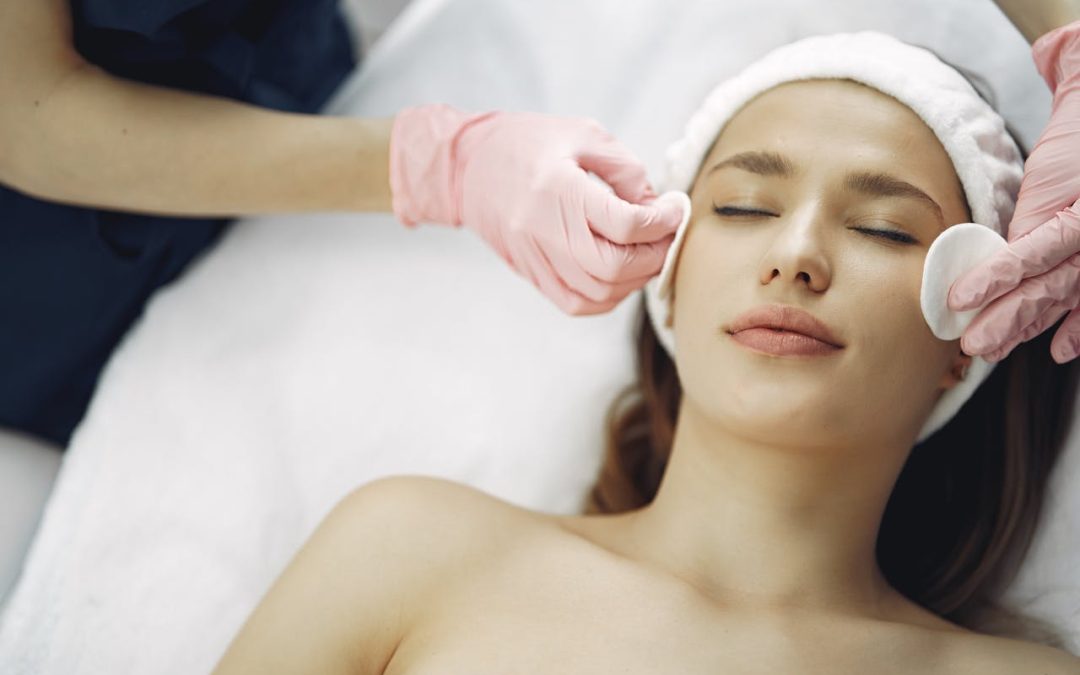
The process begins with a deep cleanse, followed by the application of a selected chemical solution, typically glycolic acid (50 to 70 percent) or TCA, across the treatment area. This chemical peel treatment sits for a predetermined time, allowing the acids to effectively dissolve dead skin cells. While some may experience stinging or slight burning, most find it mild and non-painful. Typically, the entire procedure lasts 30 to 45 minutes, with the chemical peel itself taking only a few minutes. After neutralization, a protective ointment is applied to the skin. Initially, you may notice redness or browning, which can darken over the next four days. It’s crucial that this skin rejuvenation process is performed in a sterile environment by a trained professional to ensure safety and prevent infection.
Recovery Period
- Utilize mild cleansers, fragrance-free lotions and specified barrier ointments.
- Apply sunscreen (SPF 50+) daily, even when staying indoors.
- Avoid makeup, scrubs, and picking at skin during peeling.
- Think cool compresses to relieve pain if advised by your practitioner.
During the normal healing process after a chemical peel treatment, some skin darkening may occur, peaking around three to four days post-procedure. The exfoliation process begins on day five, continuing through day six, when any remaining loose skin is sloughed off in a sterile setting. Mild discomfort is common, while pain is rare. It’s essential to watch for signs of infection, such as intense redness or swelling, and to notify your provider if these symptoms arise. Remember, healing takes time and patience, as individual skin types vary.

Peels Versus Other Treatments
Skin renewal peels remove dead cells from the outer layer of skin, making it look more clear and smooth. Looking back at peels versus other treatments, it’s helpful to compare how each method works, what each can offer and the potential risks. Chemical peels, microdermabrasion, microneedling and at-home scrubs interact differently with aging skin.
|
Treatment Type |
Effectiveness for Texture |
Effectiveness for Tone |
Downtime |
At-Home Use |
|
Chemical Peel |
High |
High |
Moderate |
No |
|
Microdermabrasion |
Moderate |
Moderate |
Low |
No |
|
At-Home Exfoliant |
Low |
Low |
None |
Yes |
Professional peels have obvious benefits over regular scrubs and physical exfoliants. Unlike other topical treatments that only treat the surface, chemical peels can penetrate deeper layers of the skin. They can repair more than just surface flaws. Old-school scrubs only act on the surface and tend not to provide lasting transformation. A chemical peel can address fine lines, mild scars, and uneven skin tone, whereas a regular scrub simply leaves skin feeling soft for a limited period. Microdermabrasion is gentler with less downtime, but the results aren’t as potent as a peel. Microneedling and laser treatments can sometimes do more for uneven skin or deep scars, but they have their own risks and costs.
Peels are beneficial in that they can help more than one problem at a time. One peel can even tone, smooth rough spots, and eliminate light discoloration. This is unlike many at-home options or even some professional treatments, which tend to address just a single concern. They need to reduce the use of powerful skin care products before a peel, so the skin doesn’t get too sensitized.
The lasting benefits of peels are obvious to most. After a handful of treatments, skin can appear more taut and luminous. The effects can be very long lasting, even extending for months with good skin care. While peels can’t compete with microneedling on deep discoloration or contour, when it comes to mild to moderate aging skin, peels strike a great compromise between safety, payoff and price.
Sustaining Your Youthful Glow
A chemical peel treatment provides your skin with a fresh beginning, aiding in resurfacing, spot fading, and stimulating your skin’s own regeneration. Post-treatment, maintaining these ‘wow’ results is crucial. This requires a few straightforward steps that accommodate any lifestyle or heritage, and each counts for both immediate enhancement and future payoff.
A consistent skincare routine is essential to preserve the progress made through skin renewal peeling. Gentle cleansers, light moisturizers, and serums with hydrating ingredients like hyaluronic acid all help keep your skin calm and soft. Retinol or mild acid-based products can accelerate cell turnover even further, but only after your skin has healed and your specialist approves. Target easy regimes that suit your complexion. Peels are appropriate for various skin types, including sensitive skin types, but your daily regimen should be tailored to your specific needs. If it’s dry, rich creams help, while oily or acne-prone skin benefits from light lotions and non-comedogenic serums.
Sun protection is key, particularly after a medium chemical peel. Your skin is more vulnerable to damage from the sun immediately following this treatment. Wear SPF 30+ sunscreen daily, even indoors or on cloudy days. Seek out broad-spectrum varieties that protect from both UVA and UVB rays. A hat or scarf is beneficial if you’re outside for extended periods. This step significantly reduces the chance of dark spots, redness, or new skin issues that can sabotage your hard work.
Other treatments can team up with peels to maintain your skin at its peak condition. Whether it’s good old light therapy, gentle facials, or microdermabrasion, extra help against lines or dullness is available. If you battle acne or dark marks, chemical peels work effectively to address these problems and complement other treatments, such as topical creams or prescription products. Hard space medium-depth peels require a gap of at least two to three months, but mild peels may require no downtime and can be done monthly or seasonally.
Visit your esthetician for ongoing maintenance. These visits allow you to monitor your skin’s health, discuss any changes, and schedule future treatments. As your skin rejuvenation goals may shift, they can help fine-tune your care plan. This ensures your skin remains healthy and youthful-looking as time goes on.
Conclusion
Skin renewal peels help skin look fresh and smooth. They shed old, lackluster skin and allow new skin to regenerate. You’re left with a soft touch and a luminous appearance. Fine lines or dark spots begin to fade. Peels provide a lift that creams and masks cannot duplicate. It’s important to choose the right peel. Some require a physician while others you can do at home. Proper post-peel care maintains robust and resilient skin. Consult a skin professional for optimal selection. Skin renewal peel treatment for aging skin. Continue reading and tell us your own tips or stories. Your review guides fellow reviewers.
Frequently Asked Questions
1. What Is A Skin Renewal Peel Treatment?
How does a chemical peel treatment work for aging skin? It promotes the exfoliation process, encouraging the growth of fresh, smoother skin while minimizing the appearance of aging.
2. How Does A Skin Peel Help Aging Skin?
Skin peels, such as medium chemical peels, slough away old cells, encourage new ones, and boost collagen production. This effective skincare treatment can reduce wrinkles, fine lines, and uneven skin tone, resulting in a more youthful and healthy appearance.
3. Are Skin Renewal Peels Safe For All Skin Types?
While the vast majority of skin types can take advantage of chemical peel treatments, results vary based on a peel type’s strength and ingredients. A consultation with a licensed skincare professional is recommended to select the appropriate skin renewal peeling for your individual skin concerns.
4. How Long Does It Take To See Results From A Peel?
You can see significant skin improvement within a few days to a week. After the skin renewal peeling, it typically appears more radiant and has a softer touch.
5. Is There Any Downtime After A Skin Renewal Peel?
Mild chemical peels generally entail little downtime, with some redness and flaking. For deeper chemical peel treatments, you will need a couple of days for the healing process. Always adhere to aftercare instructions from your provider!
Clear Your Skin And Boost Your Confidence With Acne-Focused Facial Treatments
Struggling with constant breakouts or skin that won’t calm down? At Simply Skin Esthetics in downtown Walnut Creek, our acne-focused facial treatments are designed to clear congestion, calm inflammation, and help you achieve smoother, healthier-looking skin. We target the root causes of acne, clear clogged pores, and support long-term skin balance so you can feel confident without relying on heavy products or filters.
This is more than a basic facial. It’s a targeted treatment that helps reduce active breakouts and improve skin clarity so you can finally see real change. Many clients notice visible improvement in their skin, and keep coming back because their complexion continues to get clearer and more balanced over time.
Along with our acne-focused facials, we offer a full range of services to support your skin goals, including Ultrasound and Signature Facials, Men’s Facials, Express Facials, Treatments and Peels, Teen Facials, and Back Facials. Whether you’re preparing for a special event, working toward long-term clear skin, or need a seasonal reset, we’re here to help you feel great in your skin.
Book your appointment today and see why Simply Skin Esthetics is Walnut Creek’s trusted destination for clearer, healthier skin year-round.