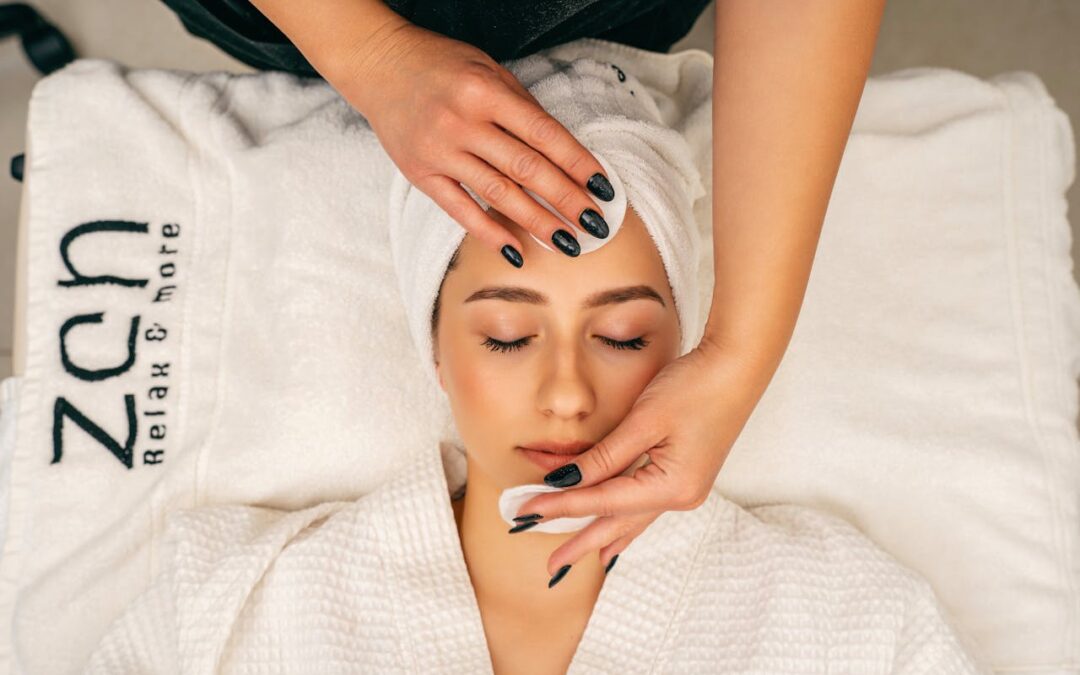
Skin peel and resurfacing treatments are a method to assist in making skin smoother, minimizing scars and increasing radiance by flaking the upper layers. Folks employ them to address old acne scars, sun spots, or age lines. Popular options include chemical peels, microdermabrasion, and laser resurfacing. Each operates at a different skin depth and employs different instruments or mixtures. Some use mild acids, while others use light or fine crystals. Results may appear quickly or gradually depending on how deep the treatment penetrates. Selecting the ideal technique is a matter of your skin type, tone, and what you’re aiming to repair. Read on to learn what makes each procedure different and what to anticipate.
Key Takeaways
- Skin peel and resurfacing treatments employ controlled methods, including chemical and laser technology, to peel away dead or damaged skin layers and expose healthier skin beneath, in line with international safety and efficacy standards.
- This cellular response to resurfacing stimulates natural healing and collagen production, which is key to long-term skin-firming, clarifying and youth-preserving results.
- Choosing the right treatment depends on your specific skin type and concerns. It’s important to consult with a trained professional about what’s safe and effective for you.
- Tailoring treatment plans with custom formulations and depths makes them more effective and helps target individual skin challenges, keeping it relevant and accessible to a wide audience.
- As with all skin peel and resurfacing treatments, realistic expectations are necessary. Immediate effects can involve redness and shedding, and the full benefits emerge gradually with continued care and maintenance strategies like sunscreen use and occasional touch-ups.
- Knowledge of risk highlights the value of consulting experienced providers, following pre- and post-treatment care directions, and quickly treating any side effects for the best worldwide results.
The Science Of Skin Renewal
Skin renewal is a crucial process where your body sheds damaged or dead cells, regenerating new ones. In laser skin resurfacing and other skin resurfacing treatments, this natural process is enhanced by targeting specific layers to promote healing and reveal healthier skin. The stratum corneum, the uppermost layer, contains 15 to 30 layers of dead cells that protect but hinder turnover, thus, therapies aim to thin or remove this barrier using advanced techniques. These methods are widely utilized to address skin problems like acne, discoloration, and signs of aging.
1. Targeted Exfoliation
Chemical peels and laser resurfacing are the primary methods of removing damaged skin in a controlled manner. Chemical peels deploy targeted solutions, typically alpha- or beta-hydroxy acids (AHAs and BHAs), to unglue connections between cells. In contrast, laser treatments utilize focused light to vaporize targeted layers of skin. Exfoliation through cleansers, scrubs, or topical therapies like tretinoin can help prime the skin by thinning the stratum corneum, making deeper treatments more effective. Targeting just the right layer is crucial: light peels only treat the surface, while medium and deep peels penetrate deeper for more dramatic changes, assisting in diminishing dark spots and evening out texture.
2. Cellular Response
Following laser skin resurfacing, skin cells shift into repair mode, prompting your body to signal new cell growth and accelerating turnover and healing. This push is why your results improve for weeks after the laser treatment or peel. Professionals observe your skin’s response, as erythema (redness) or thin flaking can occur, particularly with deeper peels. Skin type matters too, some require gentler regimens while others thrive with more aggressive treatments.
3. Collagen Stimulation
Collagen is the secret to taut, young skin. Most laser skin resurfacing treatments, particularly medium and deep peels or laser therapies, work by inciting the body to produce more collagen. Over time, this new collagen plumps fine lines and smooths wrinkles. More collagen means more skin elasticity and a plump appearance. Treatments that promote collagen growth, such as fractional lasers or deep peels, provide durable benefits, especially when combined with maintenance.
4. Surface Revelation
As top layers slough off, fresh skin underneath pushes forward, revealing a brighter and smoother complexion. This new layer is more light-reflective, enhancing texture and tone, particularly after a series of laser skin resurfacing treatments. Chemical peels can help make your skin clearer and more radiant by reducing blemishes and dullness. Post-treatment care is crucial to maintain these results, as using sunscreen and gentle products protects new skin and keeps it looking great.
Choosing Your Resurfacing Treatment
Skin resurfacing is not a one-size-fits-all procedure. There are hundreds of skin resurfacing treatments, each with its own strengths and applications. The optimal option will vary based on your skin type, primary concerns such as fine lines, sun damage, or uneven tone, and downtime tolerance. Chemical peels and laser treatments are the most popular options, but they function differently and have varying recovery times, costs, and results. Professional consultation with a skincare expert can better match your goals to the right treatment.
Peel Solutions
Chemical peels utilize substances such as glycolic acid, salicylic acid, and trichloroacetic acid to chemically exfoliate the skin to different depths. Glycolic acid, an alpha hydroxy acid, is ideal for light exfoliation and illumination, while salicylic acid, a beta hydroxy acid, is most effective for oily or acne-prone skin. Stronger agents like trichloroacetic acid go deeper and address persistent pigmentation and deeper lines.
The strength of the chemical dictates the depth of the peel and the downtime. Light peels can have no downtime and deeper peels can take up to three weeks to heal. Medical-grade peels, which are exclusively administered in-office, provide greater impact and target more complex issues such as acne scars or advanced photoaging. With proper safety precautions and accurate application, these products are effective but can cause irritation or irregular results when misused.
Light Energy
Laser resurfacing employs concentrated beams of light to either strip away skin layers or induce collagen production. Ablative lasers, like CO2, vaporize outer skin layers for more dramatic improvement, while nonablative lasers work underneath the surface and require less downtime. Choosing among these comes down to your recovery tolerance level and the severity of your concerns.
Lasers treat everything from pigmentation to fine lines. Others incorporate the laser with peels or microneedling for customized results. Downtime is key. Ablative lasers tend to require more healing, while nonablative lasers allow for a quicker return to activities.
Physical Abrasion
Physical resurfacing methods such as dermabrasion and microdermabrasion employ mechanical tools to strip away outer layers of skin. Dermabrasion is more aggressive for deep scars and wrinkles, and microdermabrasion is gentle, so it’s perfect for regular exfoliation and minor texture issues.
Mechanical exfoliation resurfacing is considered safer for some skin tones than chemical or light-based resurfacing. It depends on your skin type because those with sensitive or very dark skin can have adverse reactions to deeper abrasion. Recovery from dermabrasion can take weeks, while microdermabrasion typically has little downtime. You may want maintenance treatments to keep results fresh.
|
Treatment Type |
Target Concern |
Downtime |
Typical Results Duration |
Skin Type Suitability |
|
Chemical Peel |
Pigmentation, acne |
0-21 days |
3-12 months |
Most |
|
Ablative Laser |
Deep wrinkles, scars |
7-21 days |
1-5 years |
Lighter skin |
|
Nonablative Laser |
Fine lines, redness |
1-7 days |
6-18 months |
Most |
|
Dermabrasion |
Scars, deep lines |
7-14 days |
Years |
Lighter skin |
|
Microdermabrasion |
Mild texture |
None |
1-3 months |
All |
The Professional Peel Journey
A professional peel is a stepwise process that combines technical artistry with nurturing craftsmanship, helping resolve worries such as wrinkles, pigment, or acne scars. This treatment can be complemented with laser skin resurfacing options, offering a more aggressive treatment for skin rejuvenation. From meticulous evaluation to precise application and diligent post-care, it’s a path led by professional expertise.
- Consultation: Discuss your skin history, goals, and any medical factors.
- Assessment: The provider examines your skin type and condition, identifies contraindications and clarifies achievable results.
- Preparation: Follow pre-peel steps including gentle cleansing, moisturizing, and avoiding sun, waxing, or harsh products.
- Application: The peel is applied under controlled conditions, with sensations ranging from tingling to intense burning for up to 20 minutes.
- Recovery: Post-peel care, including hydration, sun protection, and activity limits, supports healing and reduces risk.
- Follow-Up: Monitor progress and side effects. Results appear over weeks to months.
Initial Consultation
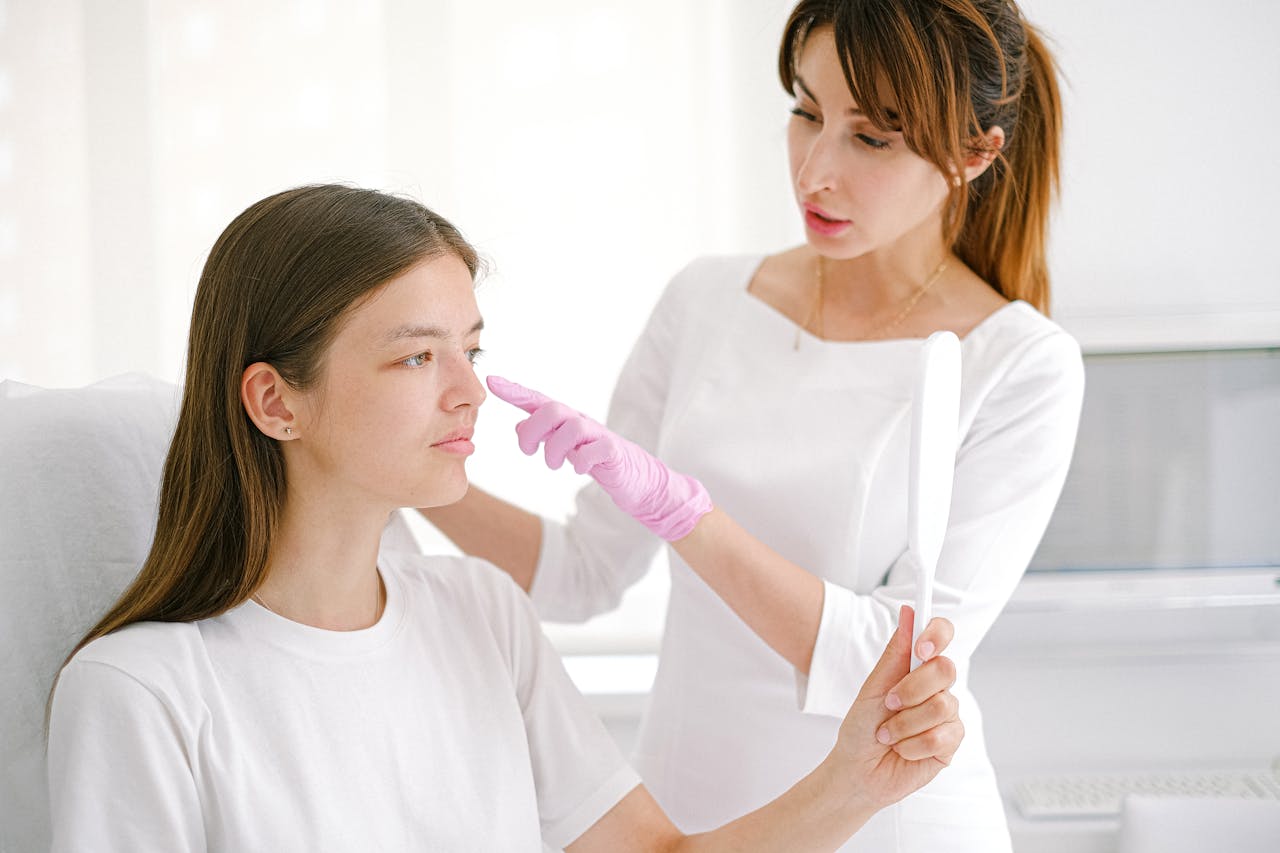
A good first consultation lays the groundwork. You candidly discuss your aspirations and former skin concerns. They examine your face under a light, test your sensitivities, and inquire about allergies or health issues. This evaluation is crucial, it guides your course of treatment and identifies any potential risks, like recent retinoid use, keloid history, or active infections.
With your picture in mind, the provider describes which peel is right for you. Surface peels could provide a rapid reset, whereas medium or deep peels address deeper lines or scars. This is when you discover what is achievable for your skin, instead of wishing for immediate results.
The Skin Preparation
Preparation is more than products. It’s barrier protection. You’ll be instructed to cleanse your face with a mild cleanser, avoid exfoliants, and apply a gentle moisturizer. Sun avoidance is essential because the UV rays raise the likelihood of nastiness.
Others are required to discontinue some medications or treatments like waxing, hair color, or retinoids a week prior. These steps reduce irritation and assist your skin in healing better post-peel.
Treatment Application
Based on the desired depth and chemical peel type, the provider applies this solution evenly, occasionally in coats if the peel is strong. You may experience tingling, heat, or burning for up to 20 minutes, which is normal. The technician observes and is poised to neutralize the peel should reactions arise.
Voice any pain or discomfort. The slow, deliberate rhythm and professional expertise are essential for safety and uniform results.
Recovery Phase
Once you’ve been through it, the days that follow are key. Gentle cleansing, liberal moisturizing, and daily SPF30+ are de rigueur. Emphasizing staying away from heat, sweat, and sun. Superficial peels typically lead to flaking and redness that lasts a few days. Deep peels can induce swelling and rawness for weeks.
Follow-up visits are important to monitor the healing process and identify complications such as infection or pigment alterations. It can take weeks for visible improvement, and deep peels can actually take months to return to color.
Beyond The Surface: Peel Personalization
That’s why personalized skin resurfacing treatments are so important for real results. Generic laser treatments miss the mark too often, because everyone’s skin is unique. Customization is key. Factors such as skin type, skin age, and concerns like acne or dark spots influence not only the effectiveness of a peel but also the required downtime and outcomes. Personalization aids individuals in achieving more radiant, clear skin quicker and safely.
Custom Formulations
Custom chemical peels allow skin care professionals to mix and match ingredients for each client, enhancing skin rejuvenation. They may use glycolic acid for dullness, salicylic for breakouts, or lactic acid for dryness, creating a tailored approach to skin resurfacing treatments. It’s a way to more accurately target concerns such as dark spots, early wrinkles, or stubborn acne. For instance, an individual with sensitive skin and blemishes might receive a light, moisturizing combination, whereas a person with sun damage might require a deeper laser treatment. These custom blends enhance both safety and efficacy, reducing the chance of irritation and increasing the likelihood of witnessing that dramatic shift in tone and texture. Skin care pros inquire about skin history and perform a spot test prior to selecting a formula, making the process safe and effective.
Targeted Depths
Selecting how deep a peel should go is just as critical as selecting the formula for skin resurfacing treatments. Superficial peels operate on the very top layer, addressing mild problems with minimal downtime. Medium peels dig a bit deeper, assisting with acne scars or lines, and could leave you red for several days. Deep peels address deep-seated discoloration or sun damage, albeit with the most downtime. Not everyone requires the deepest option. A pro’s judgment counts here, they examine skin type, treatment history, and individual goals to select the appropriate depth, optimizing the laser treatment for safety and effectiveness.
Combination Therapies
Mixing peels with other treatments, such as facials or laser skin resurfacing, can address multiple issues simultaneously. For example, a light peel combined with laser treatment can help to soothe dryness and brighten tone. Certain regimes incorporate laser resurfacing with microneedling or dermaplaning to increase collagen and smooth scars. All are created by experts who craft these regimens according to what your individual skin needs, ensuring every piece synergizes without overwhelming your skin. This method provides relief that is more effective and long-lasting, assisting individuals in achieving their skincare objectives faster and with less frustration.
Realistic Peel Treatment Outcomes
Peel and resurfacing treatments, including laser skin resurfacing options, can transform the skin’s appearance and texture. Each person responds differently to these laser treatments. The depth of your peel, your skin type, and your post-treatment care regimen all factor in. Some get fast results, while others experience slower transitions. Peels are designed to address concerns of acne, melasma, sun damage, and premature aging. There is no one-size-fits-all approach. Below, we detail what to expect, both immediately post-peel and over the longer term.
Immediate Effects
You can get redness, some slight crusting and peeling, which is very common right after a peel. For superficial peels, these effects are subtle and typically resolve within a few days. Edema and erythema occasionally persist for one to three days, particularly with light treatments. After a medium or deep peel, redness may persist for months and as many as 20 percent of patients may develop milia, small white bumps, two to four months post-treatment.
For others, they observe their skin appearing revitalized or experiencing a tactile smoothness shortly after the treatment. Patience is important because your skin continues to heal and transform for weeks. It’s how you treat your skin in the days after treatment that counts. With gentle cleansers, sun avoidance, and adherence to your provider’s recommendations, you can accelerate healing and maximize results.
Long-Term Clarity
Long term clarity builds over time. The skin can look clearer, more even, and healthier if you allow it the time to heal. More than one treatment works better than one, particularly for stubborn concerns such as acne scars or sun spots. Medium-depth peels of Jessner’s plus TCA, for example, assist with mild acne scars, and Baker’s phenol peel demonstrated more upper-lip wrinkle improvement than CO2 laser.
Follow-up treatments are important. They keep the skin progressing and help preserve gains. It takes time for collagen to rebuild after a peel, but with each session skin might get firmer and smoother. Peels allow acne creams to penetrate deeper, a bonus for those struggling with post-inflammatory marks and persistent breakouts.
|
Peel Depth |
Onset of Redness |
Peeling Duration |
Noticeable Results |
Full Results |
|
Superficial |
1-2 days |
2-5 days |
7-10 days |
2-4 weeks |
|
Medium |
2-4 days |
5-10 days |
2-3 weeks |
2-3 months |
|
Deep |
4-7 days |
10-14 days |
1-2 months |
3-6 months |
Maintenance Strategy
- Use mild cleansers and moisturizers daily
- Use broad spectrum sunscreen (SPF 30 or higher) every morning.
- Avoid harsh scrubs and strong acids while skin heals
- Schedule follow-up peels or touch-ups as advised
- Consider professional treatments for ongoing support
- Keep an eye out for irritation or milia and consult your provider.
A good regimen mixes regular maintenance with professional assistance, including skin resurfacing treatments and laser resurfacing options for enhanced results. Sun protection is critical because UV rays will reverse much of the progress made through laser treatments, causing dark spots to flare up. Regular, easy habits matter more than costly products, and touch-up treatments a few times per year may keep skin clear and healthy.
Navigating Peel Treatment Risks
Skin peel and laser resurfacing treatments entail risks varying from mild irritation to significant complications. Understanding these risks, what influences them, and how professionals minimize them is crucial for anyone considering laser skin resurfacing or other skin resurfacing treatments.
- Redness, swelling, and temporary discomfort
- Hyperpigmentation or hypopigmentation
- Infection or delayed healing
- Scarring or textural changes
- Formation of milia (tiny white bumps)
- Cardiac arrhythmias (rare, but possible with deep peels)
- Ocular complications if product penetrates the eye area
Common Side Effects
- Redness and mild swelling
- Stinging or burning sensation
- Flaking or peeling skin
- Temporary darkening or lightening of the skin
- Sensitivity to sunlight
Nearly all side effects subside within a few days. For instance, mild redness and tightness typically disappear by day three. Other individuals may experience dryness and mild flaking, which is typical during healing.
A light moisturizer and no sun can alleviate pain. Wear SPF 30 or above daily to assist skin recovery and reduce the risk of additional irritation.
In the case of blisters, pus, or increasing pain, call your provider immediately. Early reporting allows you to keep any abnormal reaction in check before it can escalate.
Potential Complications
Complications, although rare, can be serious. This includes scarring, delayed healing, infection, milia, textural changes, and pigment shifts. Specific elements such as darker skin tone, a history of keloids, or active conditions can increase your risk.
Certain medications such as isotretinoin or blood thinners and genetics can increase the chances for complications. Always inform your practitioner about your health history and all medications.
An experienced provider will perform a comprehensive skin evaluation to identify potential risk factors. They might recommend pretreatment regimens or prophylactic antibiotics or antivirals, especially for deeper peels.
Here’s where selecting the right professional can really help minimize these risks, particularly for those with higher susceptibility.
Professional Mitigation
Here are strategies practitioners employ to keep peel treatments safe. They will prepare the skin with mild cleansers and recommend that patients discontinue waxing or exfoliating five to seven days prior to the procedure.
Knowledge is key. These professionals provide explicit pre- and post-care instructions, such as applying SPF 30 and steering clear of abrasive skincare ingredients to assist in mitigating risks. Continuous communication facilitates healing.
Cutting-edge tools, including controlled application devices, aid in achieving consistent results and mitigate side effects. Many clinics spend a considerable amount on ongoing staff training so that providers remain up to date on the technology and best approaches.
Conclusion
Skin peel and resurfacing work best with proper planning and care. Results increase every step of the way, from selecting a technique to observing actual transformation in skin texture and appearance. Most discover soft, smooth skin, diminished scarring, and reduced wrinkling. Risks hang in the balance, but smart decisions and solid preparation weed them away. People experience a lift in skin and spirit. Consult a professional, consider your options, and define your objectives. Every individual arrives with a new narrative, therefore no two paths appear identical. Skin peels & resurfacing treatments tell their own tale after each session. So, ready to see what fits your needs? Consult a skin professional and discover what’s right for your skin, your lifestyle, and your objectives.
Frequently Asked Questions
1. What Is A Skin Peel And How Does It Work?
A skin peel or chemical peel is a treatment that applies a chemical solution to the skin, similar to laser skin resurfacing, to remove its outer layers. This encourages skin cell regeneration, uncovering fresher, more radiant skin.
2. Who Can Benefit From Skin Resurfacing Treatments?
Resurfacing, such as co2 laser resurfacing, can be a boon for individuals experiencing uneven skin tone, fine lines, mild scars, or sun damage. A pro consult is necessary to ensure the right laser treatment for your skin.
3. How Do I Choose The Right Peel For My Skin?
A skin professional can help you choose the best laser resurfacing treatment by evaluating your skin type, goals, and any sensitivities. Options for skin resurfacing treatments vary in strength and ingredients to match different needs.
4. What Should I Expect During A Professional Peel Session?
For a peel, a specialist applies the solution to your skin, potentially enhancing the effects of laser treatments. You may experience tingling or slight discomfort during the procedure, which typically lasts under an hour and has minimal to no downtime for most light chemical peels.
5. Are Skin Peels Safe For All Skin Tones?
Generally, most peels are safe for all skin tones when applied by seasoned pros. Certain deeper laser skin resurfacing treatments can be riskier for darker skin, so specialist input is important.
Clear Your Skin And Boost Your Confidence With Acne-Focused Facial Treatments
Struggling with constant breakouts or skin that won’t calm down? At Simply Skin Esthetics in downtown Walnut Creek, our acne-focused facial treatments are designed to clear congestion, calm inflammation, and help you achieve smoother, healthier-looking skin. We target the root causes of acne, clear clogged pores, and support long-term skin balance so you can feel confident without relying on heavy products or filters.
This is more than a basic facial. It’s a targeted treatment that helps reduce active breakouts and improve skin clarity so you can finally see real change. Many clients notice visible improvement in their skin, and keep coming back because their complexion continues to get clearer and more balanced over time.
Along with our acne-focused facials, we offer a full range of services to support your skin goals, including Ultrasound and Signature Facials, Men’s Facials, Express Facials, Treatments and Peels, Teen Facials, and Back Facials. Whether you’re preparing for a special event, working toward long-term clear skin, or need a seasonal reset, we’re here to help you feel great in your skin.
Book your appointment today and see why Simply Skin Esthetics is Walnut Creek’s trusted destination for clearer, healthier skin year-round.