
Key Takeaways
- Similar to anti-aging skincare products, wrinkle-reducing and collagen-boosting facials often employ controlled micro-injury, thermal stimulation, ingredient infusion, and light energy to stimulate natural collagen production and improve skin texture.
- Microneedling, radiofrequency, chemical peel, and LED treatments have proven to be effective at encouraging skin renewal, minimizing fine lines, and boosting elasticity.
- The trick is to combine these professional treatments with a consistent at-home skincare regimen and adequate sun protection for long-term results and skin health.
- Nutrition, with an emphasis on foods high in antioxidants, vitamins, and omega-3s, supports collagen production and skin hydration.
- Of course, facial treatments need to be customized to your skin type, whether oily, dry, or sensitive, to get the best results and reduce side effects.
- There are some general guidelines and tips for safe and effective facial care. These include consulting qualified professionals, following safety protocols, and understanding realistic timelines for visible improvements.
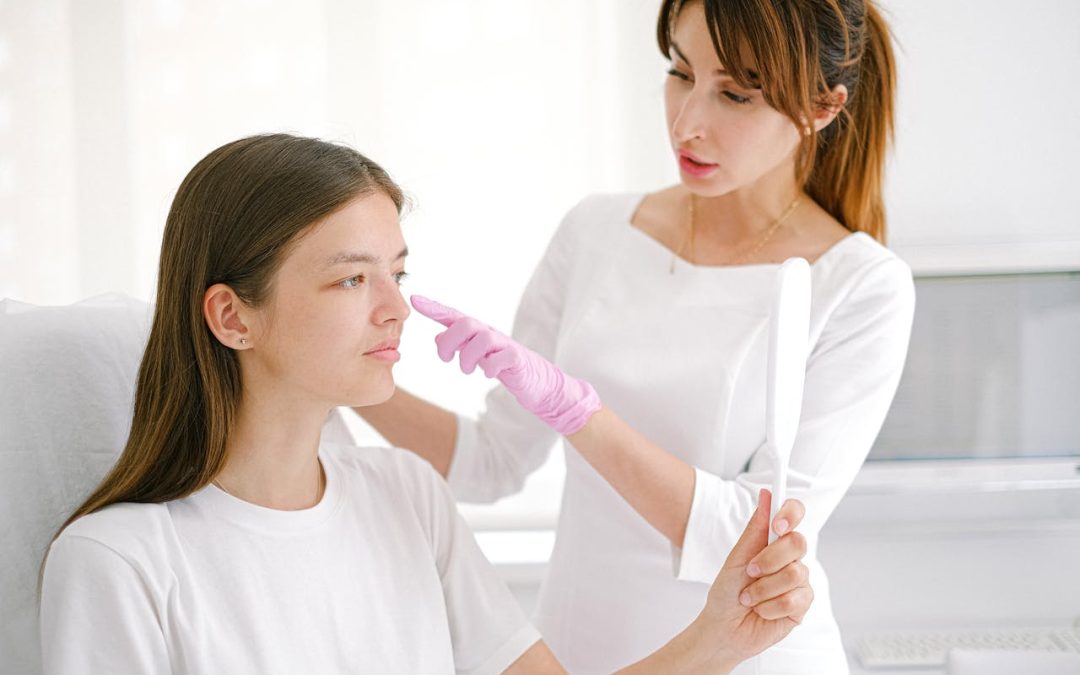
A wrinkle-reducing facial is a treatment that seeks to reduce lines and tighten the skin by stimulating the body’s collagen process. Procedures include mild cleansing, peeling, and massage, usually with serums or masks abundant in peptides, vitamin C, and plant-based extracts. Many people get these facials to assist in slowing aging symptoms, as consistent use can provide an even skin tone and soft glow. Products and techniques can be selected to suit skin type and individual requirements, rendering these facials adaptable for various objectives. To understand what’s best, it helps to see how it works and what ingredients are key.
The Science of a Wrinkle-Reducing Facial
The science of a wrinkle-reducing facial works by combining mechanical and biochemical processes to stimulate collagen production, increase skin elasticity, and reduce wrinkles. These techniques employ meticulous application and clinically tested ingredients to penetrate deeper skin layers and induce natural rejuvenation.
1. Controlled Micro-Injury
Micro-injury, a la microneedling or its ilk, jumpstarts the skin’s healing process. When the top layer receives such tiny, controlled wounds, the body emits signals to produce new collagen. This aids in filling in lines and smoothing the skin. Microneedling, fractional lasers, and certain types of dermabrasion all utilize this concept. Post-treatment, the skin repairs itself by producing new cells and proteins, causing your skin to become firmer and thicker with time. Safety measures, such as sterile instruments and skilled administration, are crucial to reduce risk and increase effectiveness.
2. Thermal Stimulation
THERMAL STIMULATION – This process applies regulated heat to cause the existing collagen to contract, thereby tightening the skin immediately. Over time, the heat encourages new collagen fibers to grow. Radiofrequency and ultrasound are the usual suspects for this effect. Most patients experience smoother skin shortly after treatment, and the complete results emerge over weeks while the body generates more collagen. The procedure feels warm, not painful, and side effects are mild, occasionally some minor redness or swelling.
3. Ingredient Infusion
Facials typically drive hydrating and nourishing ingredients deep into the skin. Hyaluronic or peptide serums increase moisture and aid firmness. Antioxidants such as vitamin C combat sun and pollution damage. A few studios choose serums to match your particular needs, such as redness or dryness, personalizing each treatment. Combining these steps with devices such as ultrasound or microcurrent can assist the skin in absorbing more of what it requires.
4. Light Energy
LED therapy utilizes different colors of light to address skin concerns. Red light can assist with fine lines and give skin a plumper appearance. Blue light can calm acne. Studies show that the light energy helps your skin absorb products better. These procedures are safe for most skin types and carry little danger.
5. Manual Manipulation
Microneedling, radiofrequency, and chemical peels are hands-on ways to make more collagen. Chemical peels shed dead skin and promote new growth. Radiofrequency tightens and lifts. LED therapy, while non-invasive, is included here for its collagen-stimulating impact.
Key Collagen-Boosting Techniques
Collagen boosting techniques seek to pump up skin firmness, knock out wrinkles, and revive elasticity. These tips utilize a combination of professional treatments and everyday skincare to support skin cell turnover. Getting to know the science behind each technique helps you select the best fit for you.
Microneedling
Microneedling involves a minimally invasive procedure in which fine needles establish micro-punctures in the skin. These micro-injuries activate the body’s healing response and increase natural collagen production. It’s a hands-on way of addressing acne scars, fine lines, and uneven skin texture. Typically, the majority notice results after three to six treatments scheduled four to six weeks apart.
The recovery tends to be fast, with slight erythema and edema for a few days. You must use sunscreen while you’re recovering so you protect that new collagen and avoid any sun damage. Aftercare consists of mild cleansing and moisturization, steering clear of aggressive agents and the sun.
Radiofrequency
Radiofrequency treatments employ energy waves to heat deeper layers of skin, leading to collagen fibers contracting and promoting new growth. This tightens skin and enhances texture, all without surgery. Devices include everything from at-home heads to clinic-grade systems. Others provide synergistic technologies like microneedling with radiofrequency for a more pronounced effect.
Most radiofrequency treatments are safe for numerous skin types. Side effects can include temporary redness or mild swelling. The risk of burns or pigmentation is low with trained hands.
Chemical Peels
Chemical peels apply acids to strip the upper layers of skin and stimulate collagen regeneration. Light peels revive lifeless skin, and deeper ones attack wrinkles and age spots. Each has a different recovery period. Light peels might not have any downtime, but deep peels can take a couple of weeks to heal.
A professional evaluation is necessary before treatment to prevent complications and select the appropriate peel for your skin type.
LED Therapy
LED therapy uses wavelengths of light to encourage collagen production and combat signs of aging. Red light is known to be collagen-boosting, while blue light zaps zits. At-home devices make this one easy, and the sessions tend to be comfortable and fast.
Regular use, such as two to three times per week, provides better long-term results. LED therapy is non-invasive, and there is no downtime. It easily integrates into most skincare routines.
Lifestyle and Home Care
Taking oral collagen supplements, especially those with hydrolysates and coenzyme Q10, can help your skin stay moist and stretchy. Using collagen creams can make your skin smoother and more hydrated in just a month. It’s also really important to wear sunscreen every day to keep your collagen healthy. To get the best results, combine professional treatments with regular hydration and gentle skincare at home to help your skin look youthful.
Beyond the Treatment Room
Maintaining the afterglow of wrinkle-zapping, collagen-injecting facials extends beyond the treatment room. Everyday decisions — everything from your diet to your sun protection habits — affect collagen health and your skin’s long-term resilience. Aside from the obvious physical transformations, all of these habits foster a positive mindset, confidence, and emotional stability.
Your Diet
Eating antioxidant-rich foods, particularly those packed with vitamins C and E, can assist your body in making more collagen. Citrus fruits, berries, nuts, seeds, and leafy greens all do the trick. For instance, a spinach, orange slice, and sunflower seed salad is an easy way to incorporate these nutrients. Omega-3s, present in salmon, walnuts, and flaxseeds, maintain the skin’s moisture and suppleness. They contribute to the skin’s silky sensation and may slow down aging. Others take collagen supplements, typically fish or bovine-based, to help boost collagen within the skin. Although results vary, many find these products complement a healthy diet. Good hydration is important as well. Water maintains skin cell turgidity and collagen fibers to function optimally, leaving the skin appearing vibrant and plump.
Sun Protection
Daily use of a broad-spectrum sunscreen is crucial for decelerating skin aging and preventing UV damage. It’s not just for days spent in the sun; clouds and windows don’t block all UV rays. Reapplication every two or three hours, particularly if you perspire or are outdoors, is required. Wide-brimmed hats, long sleeves, and sunglasses provide additional protection for sensitive skin. Staying on top of these steps assists your skin in maintaining its bounce and delays the degradation of collagen, resulting in fewer lines in the long run.
Home Care
A disciplined regime of cleansing, exfoliating, and moisturizing keeps skin in top form in between facials. Add some body scrubs or chemical exfoliants to assist the skin in sloughing off dead cells, so it appears silken. Peptide or vitamin C serums can help target fine lines and amplify the effects of your treatments. Doing these daily steps trumps buying the most expensive products. These are the people who stick to the basic stuff and experience better, sustained transformations.
Expectations and Maintenance
Skin evolves at a glacial pace, and it’s good to anticipate results in weeks, rather than days. Results can persist for longer with regular maintenance and follow-up facials every few months. Of course, the results will vary from individual to individual, based on their habits, skin type, and lifestyle. When combined with home care and sun safety, regular facials not only increase confidence and decrease stress but make you feel comfortable — inside and outside the treatment room.
What to Realistically Expect
Wrinkle erasing and collagen-stimulating facials have become increasingly popular as people look for more supple, firmer skin. What to realistically expect is shaped by scientific reality, not marketing hype. Age, skin type, daily routine, and expert guidance all influence the path.
The Timeline
Facial treatment results don’t often pop up overnight. Most will notice initial results in four to six weeks, particularly if treatments are aimed at deeper layers of the skin or use collagen stimulation. While you might observe a brighter glow or more even texture immediately following a treatment, stronger effects like minimized fine lines or increased skin firmness require multiple visits. How often you go isn’t universal. Well-behaved home-grooming types who religiously apply sunscreen daily and moisturizer twice a day can push the time between sessions a bit further. Others, particularly those with sun or pollution exposure, might require more regular treatment.
Treatment longevity varies. Minimal facials, such as deep cleansing or exfoliation, provide a glow for a couple of weeks. Collagen-specific treatments, such as micro-needling or radiofrequency, could produce results that last anywhere from a few months to a year or more. Continuous skincare and lifestyle choices make a big difference. Antioxidants and other active ingredients before and after facials can help maintain these results for longer. Weekly exfoliating, moisturizing, and sun protection all make a difference.
The Longevity
Long-term results require consistent sessions. Collagen falls at a rate of approximately 1% per year after age 35, so maintaining professional facials is crucial if you want long-term wrinkle reduction. Home care is important as well. Like most things in life, consistent routines such as moisturizing twice daily and gentle exfoliation can maintain skin resilience in between appointments. Healthy habits like sunscreen, no smoking, and eating antioxidants have a huge impact.
The Consistency
Each skin type requires its own plan. Oily skin might require sebum-controlling, pore-clearing facials. Dry skin reacts beautifully to hydrating masks and barrier-repair potions. Sensitive skin needs to skip any harsh exfoliants and use calming treatments instead. This customized method, combined with professional tips, can help guarantee healthy, productive outcomes for everyone.
Tailoring to Your Skin
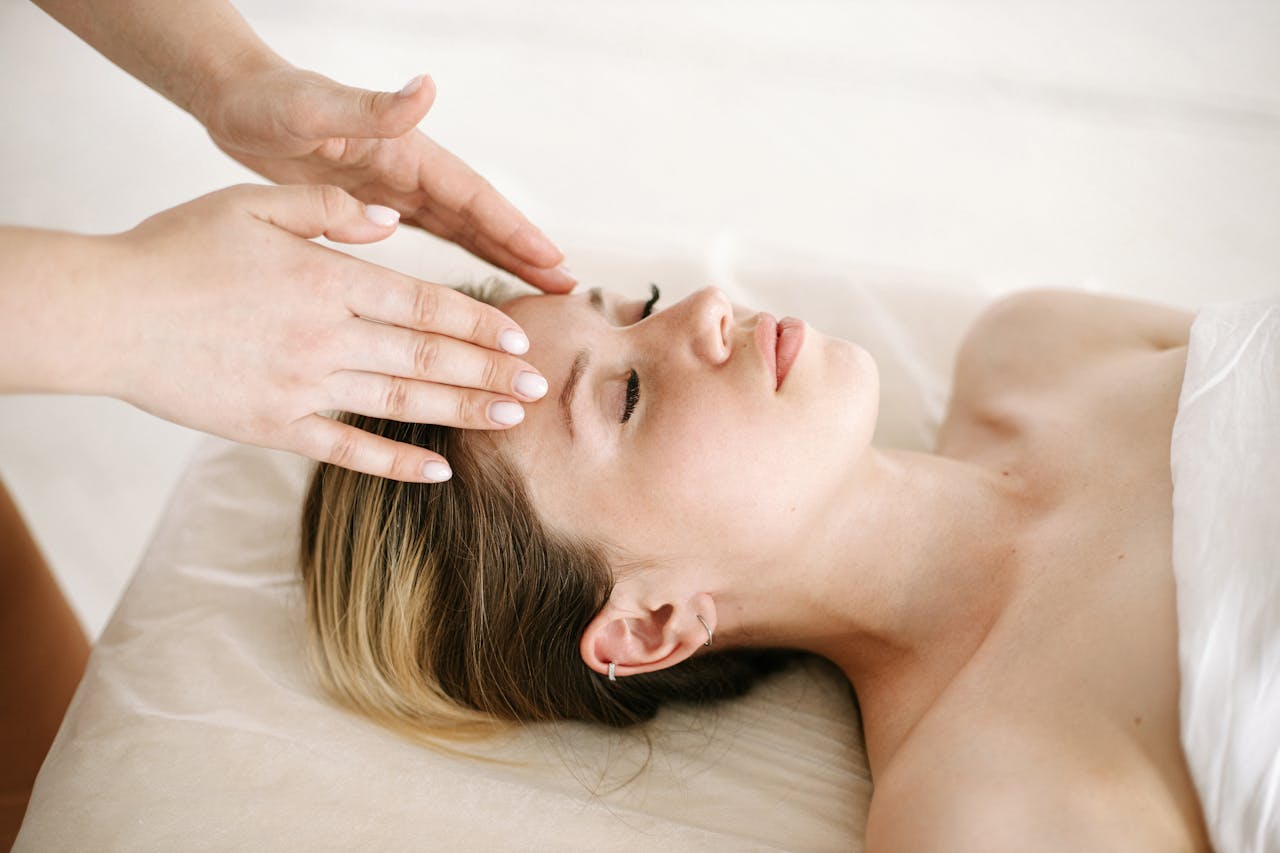
Skin care is most effective when suited to your individual requirements. Your skin’s depth—from epidermis to dermis to hypodermis—takes part in how treatments impact you. Tailoring facials to your oily, dry, or sensitive skin gets you better results in wrinkle reduction and collagen boost, and assists with discoloration or rough patches.
Oily Skin
For oily skin, procedures that control excess oil and simultaneously promote collagen production are essential. Facials with mild exfoliants can remove dead cells, but stay away from abrasive scrubs that can prompt additional oil output. Hydrating facials, frequently with light gels or serums, help restore lost moisture and keep skin taut. Hyaluronic acid shines here. It pulls water to the skin’s surface without exacerbating clogged pores or shine.
Oil-prone skin loves non-comedogenic products. These selections maintain unclogged pores and reduce breakouts, which frequently arise when heavier creams are applied. Balancing oil isn’t just about taking it away; it’s about maintaining a strong skin barrier so that texture evens out and fine lines appear less harsh. Sunscreen of at least SPF 30 is key as the sun can accelerate aging and exacerbate spots, whether you have dry skin or oily skin.
Dry Skin
Dry skin demands a different treatment. Strong cleansers and peels only aggravate it. Instead, choose gentle, hypoallergenic products that clean without stripping and lock in moisture. Seek out facials with calming, nourishing masks. These soothe the skin while assisting in the regeneration of lost collagen and hyaluronic acid, which begin to drop after 35.
Hyaluronic acid serums are great for dry skin as they increase hydration deep in the skin. Light exfoliating can assist in sloughing off flaky spots, but should never leave skin taut or raw. Maintaining a consistent everyday moisturizing routine is the most effective way to nourish skin and decelerate new wrinkle formation.
Sensitive Skin
Sensitive skin requires special attention. Hypoallergenic products and calming facials are safest as they reduce the chance of redness or allergic flare-ups. Be on the lookout for symptoms such as stinging, itching, or swelling, and change products if you experience any. Microneedling or chemical peels are possible, but only with the support of a dermatologist familiar with your skin history.
Patch testing any new products is a must, especially before peels or more advanced treatments. After any facial, adhere to the after-care steps carefully, as healing skin is more delicate and vulnerable to side effects such as swelling or discoloration. Others need to space out treatments like chemical peels every three to four weeks based on their skin’s reaction and needs.
Important Safety Considerations
Facial treatments that aim to reduce wrinkles and stimulate collagen are generally safe and effective, but they require careful attention before and after the procedure. To protect your skin and overall health, it’s essential to understand the key safety steps involved:
- Choose a qualified specialist: Research your provider’s background, checking licenses, training, and hands-on experience—especially with injectables like hyaluronic acid fillers. A skilled professional minimizes risks such as pain, bruising, irregular lumps, or complications from poor technique, including nodules or granulomas that may require further treatment.
- Review your medical history: Be open about any health conditions, allergies, or past reactions. Individuals with autoimmune disorders, a history of keloids, or allergies to lidocaine may respond differently to fillers. Early disclosure helps your provider select the safest approach for your skin and overall wellness.
- Follow proper skin preparation: Many clinics offer pre-care instructions such as pausing blood thinners, avoiding alcohol, and using gentle cleansers. Following these guidelines lowers the likelihood of redness, swelling, or other side effects. Even weeks later, watch for delayed reactions like nodules or scarring and report any unusual changes. Some issues may require treatments like hyaluronidase.
- Stay informed about new research and risks: Updated findings show that hyaluronic acid fillers can remain safe for up to two years, but rare complications—such as abscesses, cellulitis, or even temporary speech changes—may still occur. Understanding these possibilities empowers you to make confident, informed decisions about your care.
Conclusion
For smoother skin, a wrinkle-reducing facial provides both pampering and actual transformation. These facials use aggressive steps that stimulate the skin and force it to generate more collagen. A great facial does a lot more than just treat lines. It leaves skin feeling firm, fresh, and full of life. Each skin type requires its own regimen, so optimal results originate from a combination of proper professional treatments and consistent at-home maintenance. Believe in science and watch those habits. Want to hear more tips or share your story? Jump into the discussion, pose your questions, or share tips with other skin care enthusiasts. Your story enriches us all on this journey.
Frequently Asked Questions
1. What is a wrinkle-reducing facial?
It utilizes methods and materials that induce healthy, youthful appearing skin.
2. How do collagen-boosting facials work?
Wrinkle-reducing facials, known as collagen-boosting facials, use techniques such as massage, serums, or specialized tools to stimulate your skin’s collagen production. Extra collagen makes your skin look firmer and elastic.
3. How often should I get a wrinkle-reducing facial?
Most experts suggest a facial every 4 to 6 weeks. The optimal frequency varies based on your skin type, age, and objectives. See a professional for advice.
4. Are there any side effects from these facials?
A few individuals might have minimal redness or sensitivity post-facial. These effects tend to be temporary. Always check with a licensed skincare professional for safety.
5. Can at-home routines support facial results?
Using sunscreen, mild cleansers, and moisturizers at home will help prolong the results of your professional facial.
6. Is a collagen-boosting facial suitable for all skin types?
Nearly all collagen-boosting facials are safe for any skin type. Those with sensitive skin or specific conditions should consult with a skincare professional.
7. What results can I realistically expect?
There’s no downtime, and you’ll notice smoother, more hydrated skin and a rested look. Deep wrinkles might not disappear entirely, but consistent treatments will visibly boost your skin’s texture.
Rediscover Radiance And Confidence With Anti-Aging And Collagen Renewal Facials
Noticing fine lines, loss of firmness, or skin that doesn’t bounce back the way it used to? At Simply Skin Esthetics in downtown Walnut Creek, our anti-aging and collagen renewal facials help restore smoother texture, improve elasticity, and revive your natural glow. These treatments support collagen production, firm the skin, and refresh your complexion so you look more lifted and renewed without harsh procedures.
This isn’t a basic facial. It’s a focused treatment that targets early wrinkles, dullness, and visible signs of aging. Many clients see brighter, firmer skin and return because their complexion continues to improve with consistent care.
Along with our collagen-boosting and anti-aging facials, we offer a full menu of treatments tailored to your skin goals, including Ultrasound and Signature Facials, Men’s Facials, Express Facials, Treatments and Peels, Teen Facials, and Back Facials. Whether you want a quick refresh, long-term rejuvenation, or a boost before an event, we’re here to help your skin look its best.
Book your appointment today and see why Simply Skin Esthetics is Walnut Creek’s trusted destination for radiant, youthful-looking skin year-round.