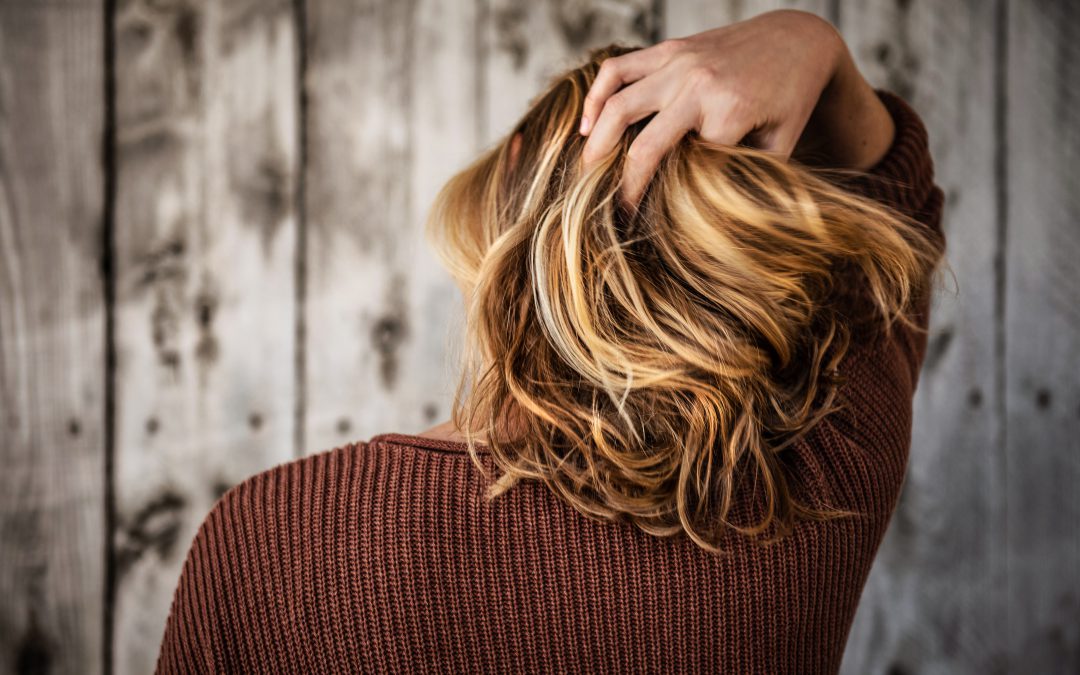
These typically work by feeding your scalp and roots with nutrients through serums, topical creams or sometimes low-level laser therapy. The goal is to stimulate hair follicles, accelerate cellular growth and improve circulation in the scalp. Most contain concoctions of vitamins, plant oils and peptides to provide the building blocks necessary for new strands. Others use mild lasers or microneedling to rejuvenate dormant roots. These treatments are frequently combined with scalp massages or specialty shampoos to help the cocktail sink in. To achieve consistent growth or thicker hair, the majority of individuals apply these treatments for months. The main body will disassemble each method and effect.
Key Takeaways
- Hair growth boost treatments function through a combination of mechanisms, including cellular stimulation, targeted nutrient delivery, and modulation of hormonal pathways. Each mechanism contributes to improved hair density and scalp health.
- They provide insight into hair’s biochemical and hormonal influences, which are crucial to knowing how hair loss progresses and how it might respond to treatments.
- It’s all about the scalp when it comes to hair regeneration. The best results come from correcting problems like dry, oily, or product-laden hair with targeted cleansing and moisturizing.
- Delivery mechanisms, such as topical application, professional injections, and oral supplements, all provide unique benefits and disadvantages. It’s crucial to opt for a method suited to your personal hair and scalp concerns, preferably under the advice of an expert.
- Personal factors, including genetics, lifestyle habits, and health conditions, play a major role in treatment success, underscoring the need for personalized and holistic care.
- It takes time, careful goal-setting, and commitment to treatment to see actual hair restoration. New frontiers in regenerative medicine and holistic wellness offer exciting prospects for the future composition of the industry.
The Core Treatment Mechanism
Hair growth stimulant therapies, including hair loss treatments and regenerative therapies, deploy a variety of different approaches to either aid hair regrowth or at least slow down hair loss. Their core mission is to energize hair follicles, regulate hormones, and nourish for improved hair growth.
|
Treatment Mechanism |
Example Techniques |
Effectiveness (Global Studies) |
Main Action |
|
Cellular Stimulation |
Microneedling, PRP |
Moderate to high |
Triggers follicle activity |
|
Biochemical Pathways |
Growth factor serums |
Moderate |
Boosts cell signals |
|
Hormonal Influence |
DHT blockers, minoxidil |
Varies, high for specific cases |
Adjusts hormone levels |
|
Nutrient Delivery |
Topical vitamins, oral supplements |
Moderate |
Feeds scalp and follicles |
|
Scalp Environment |
Antifungal shampoos, microbiome balancers |
Moderate |
Improves scalp health |
1. Cellular Stimulation
Cellular stimulation acts on follicles in rest mode. Microneedling, for instance, causes small wounds in the scalp. This, in turn, results in collagen production and growth factor release. These modifications rouse dormant follicles and generate new emergence. Treatment such as platelet-rich plasma (PRP) employs controlled doses of growth factors to increase cell activity.
Blood flow is central. Once circulation increases, hair follicles receive more oxygen and nutrients. This allows them to build strength. Other therapies are based on mechanobiology, which is how cells react to physical forces. Forces like stretch or pressure can alter the behavior of stem cells and frequently encourage them to initiate hair growth again. These methods demonstrate potential in battling age-related thinning hair.
2. Biochemical Pathways
Hair growth is reliant on a few key pathways within the cell. The Wnt/β-catenin pathway is crucial. When this pathway is triggered by strain or motion, it initiates a cascade that encourages hair follicles to enter the growth phase. Cytoskeletal transformations within cells, sculpted by these forces, contribute by modulating pathways such as YAP/TAZ and Wnt/β-catenin.
Growth factors are the signal messengers to help hair follicles heal and grow. Antioxidants combat oxidative stress, which can damage hair follicles and inhibit growth. Others target inflammation, soothing molecules called cytokines that can damage hair follicles.
3. Hormonal Influence
Hormones can significantly impact hair health, and DHT is a major contributor to pattern hair loss. When DHT accumulates, it miniaturizes hair follicles, leading to thinning. Both men and women may benefit from hair loss treatments that block DHT or balance hormones, aiding in improved hair growth and restoration.
4. Follicle Nutrient Supply
These are the ingredients that feed you healthy hair: biotin, zinc, and iron. Effective hair loss treatments provide these via the skin or in tablets. Good delivery means more nutrients reach the follicles, strengthening hair health. Vitamins and minerals keep the scalp and roots healthy, supporting improved hair growth and overall hair restoration.
5. Scalp Health Balance
Your hair needs a healthy scalp for effective hair loss treatments and improved hair growth. Oil pollution, extreme weather, or skin conditions can ruffle the scalp, while others purify it or regulate its microbiome, soothing irritation and preventing flaking to create a healthier environment for hair restoration.
How Treatments Are Delivered
Hair growth boost treatments, including hair restoration options, are available in various delivery methods tailored for different needs, scalp types, and patient preferences. The efficacy of these treatments, whether delivered topically, by injection, or orally, can significantly impact their effectiveness. Options are based on the root cause of hair loss, such as androgenetic alopecia, the severity of thinning, and a person’s time available to maintain. For optimal outcomes, sessions over a three-month period and check-ins every several months afterwards are typical.
Topical Application
Creams, foams, and serums account for the majority of hair loss treatments aimed at promoting hair restoration. Minoxidil, commonly known for its effectiveness, is the most recognized option, supported by decades of research. This treatment works by dilating blood vessels near hair follicles, which can lead to improved hair growth and increased hair thickness. Some gels are specifically formulated for dry scalps, while others cater to oily or flaky skin. For optimal results, users must massage these treatments into a dry, clean scalp and allow them to absorb before washing or styling, making it a simple addition to a daily routine.
Consistency is key, as users need to maintain daily usage for several months to see significant results. While a few may experience slight side effects, such as itching or redness at the application site, these typically fade on their own. If irritation persists, discontinuing the cream can be beneficial. It’s also important for users to avoid washing or wetting their scalp for 24 hours after application to enhance the treatment’s therapeutic effect.
Professional Injections
Injection-based treatments, such as platelet-rich plasma (PRP), require a trained practitioner. The procedure begins by taking a small sample of a patient’s blood, spinning it to isolate the plasma, and then injecting this into thinning or balding areas. A session lasts 20 to 30 minutes. This can revitalize sleepy scalp follicles and encourage new growth.
Patients typically require a series of three sessions each month, then less frequently, every six months, for maintenance. The scalp is cleaned and most can return immediately to their lives. There is no exercise for 24 hours and no washing your hair within this time period. Side effects, such as swelling or mild pain, are rare and short lived.
Oral Supplements
They’re oral supplements such as biotin, zinc, and other vitamins taken by mouth to provide the body with nutrients that promote hair growth. When diet is lacking, these pills can supplement. They have to be taken daily for months in order to be effective, and missing doses can set you back.
Treatments can be effective for individuals with nutrient deficiencies, but won’t be beneficial if the hair loss is unrelated to nutrition. Users need to be aware of any potential mix ups with other medications, particularly if they take medication for chronic conditions. Talking to a professional before beginning any supplement regimen is crucial.
Why Your Scalp Condition Matters
Your scalp is key to effective hair loss treatments. It serves as the basis for your follicles, and any imbalance, whether from oil, dryness, or product buildup, can disrupt that balance. If your scalp is inflamed or irritated, it won’t be able to support ideal hair growth, resulting in thinning or shedding. Certain scalp conditions, like dandruff and seborrheic dermatitis, are associated with early hair loss, often due to inflammation. Taking control of these problems safeguards hair follicles and enhances the effectiveness of hair restoration therapies.
Oil-Prone Scalp
Checklist for Managing Oily Scalp:
- Again, this is why your scalp condition is so important and why you should use gentle, sulfate-free shampoos.
- Rinse your hair with lukewarm water. Hot water will make your sebaceous glands get greedy.
- Minimize heavy styling products that can trap oil and residue.
- Don’t keep touching your scalp, which transfers oils from your fingers.
- Rinse thoroughly to ensure no residue is left behind.
Oily scalp treatments aim to clean without desiccating skin. Try to find products that contain helpful ingredients like tea tree oil or salicylic acid. Both options can help regulate Malassezia growth in your scalp, minimizing inflammation and your chances of seborrheic dermatitis, a prevalent cause of hair loss.
When oil builds up, combined with sweat and product, this goes into buildup that clogs follicles. This can stop new hair growth and even cause scalp inflammation. Purging excessive oil not only makes your hair more manageable, but provides a healthier follicular environment.
Lifestyle changes count. Oily scalps are often caused by diets high in processed foods or stress. Just like regular exercise, balanced meals and stress management support your overall health, these habits promote a healthy scalp. Basic habits like switching pillowcases and avoiding hats for extended periods can assist.
Dry Scalp Syndrome
- Over-washing hair with harsh shampoos
- Using water that is too hot
- Neglecting regular conditioning
- Ignoring hydration, both topically and through diet
Moisturizing treatments are a crucial part of easing dry scalp, especially when considering effective hair loss treatments. Hydrating masks, argan or coconut oils, and leave-in conditioners can ease tightness and itching, helping to restore hair health. These treatments bring your scalp’s barrier back online, shielding it from oxidative stress and free radicals, which are connected to aging and hair loss.
Hydration is essential for follicle health. Dehydrated skin is more susceptible to inflammation, which can ruin hair follicles over time. Staying hydrated and using gentle moisturizing products support the strength of your scalp and promote improved hair growth.
Common errors include forgetting conditioner, over-styling with heat, or failing to shield the scalp from sun and wind. This can strip moisture and exacerbate issues related to progressive hair loss.
Haircare buildup
Styling products, conditioners, and environmental pollutants build up to block follicles and stunt hair. Over time, this layer entraps oils and dead skin, causing weak or thinning hair.
Effective cleansing here means using mild, clarifying shampoos once or twice a month. These exfoliate residue-free without stripping oils. Scrub softly and rinse well to prevent scalp irritation.
Buildup shows itself as dull, heavy hair, itchiness, and flakes that are unresponsive to dandruff shampoos. If your hair feels greasy shortly after washing, it’s time to revamp your routine.
Clarifying shampoos maintain a clean scalp and healthy skin cell turnover. This aids in mitigating oxidative stress and potential inflammation, allowing hair growth treatments a better opportunity to take hold.
Your Unique Hair Profile
Everyone’s hair profile is influenced by a combination of genetics, hormones, and their environment, which dictate how hair grows, its thickness, and its texture. Understanding your profile guides you in selecting the most effective hair loss treatments and habits, from shampoos to styling helpers. This understanding explains why people frequently experience such varied results from identical hair growth treatments. Some have fine thin strands, while others have thick coarse hair. Growth speed is quite personal too, with most exhibiting approximately 0.3 to 0.4 millimeters of growth per day. This can fluctuate over time due to aging or changes in health. Proper nutrition and scalp care significantly contribute to improved hair growth and maintaining strong, healthy hair regardless of hair type.
Genetic Factors
Genetics is a fundamental factor for hair habits and individual responses to therapies, particularly in the context of hair loss treatments. Rogenetic alopecia, a type of hair loss that runs in families, tends to appear different in males and females. In men, it manifests as receding hairlines or bald spots, while in women, it presents as thinning across the scalp. Genes determine if your hair grows quickly or sparsely and whether it’s coarse or delicate. Your specific hair profile counts, if you come from a family with thin, slow-growing hair, your needs will differ from if you have thick, fast-growing hair. Even the best hair restoration treatments have a ceiling if genes are driving the cause. Certain types of hair loss, such as male or female pattern baldness, may only respond to specific drugs or interventions.
Lifestyle Impact
Daily habits imprint themselves on hair’s appearance and vitality. Eating foods containing biotin, vitamin D, and iron supports hair health and improved hair growth, whereas bad nutrition can cause hair to become dull or frail. Stress triggers shedding, but exercising and sleeping well rejuvenate hair growth. Styling habits count as well. Tight ponytails or excessive heat can break or thin hair. A broader strategy that balances nutrition, stress, and gentle care can be more effective than hair loss treatments alone.
Underlying Conditions
- Notice sudden or patchy hair loss.
- See extra shedding after illness or medication.
- Notice changes with new symptoms such as tiredness or skin problems.
Hormone issues, autoimmune diseases, and nutritional deficiencies can all inhibit hair growth, making effective treatments like hair loss treatments essential. Addressing these health concerns usually improves hair growth and makes hair care more efficient. When hair loss is tied to health issues, it is wise to consult a physician for an appropriate plan.

Setting Realistic Expectations
Hair growth boost treatments, including effective hair loss treatments, may slow loss and support improved hair growth, but they’re not instantaneous. Understanding the time and care that these treatments demand is important. Many tend to want fast results, and hair regrowth is slow and different for everyone. Being informed about what’s in store helps you stay motivated and prevents you from getting discouraged as you make your way through.
The Timeline
With the exception of medical-grade hair loss treatments, nearly all hair growth treatments, topical, oral, and clinical, require a regimen that lasts months before any visible results appear. For most individuals, there are initial indicators such as less hair fall or mildly denser strands between six to twelve weeks. True density improvements frequently require three to six months, as hair grows in cycles: growth (anagen), rest (telogen), and shed (catagen). Treatments, particularly effective ones like PRP therapy, are most effective during the anagen phase. Since hair follicles aren’t all on the same schedule, results take time.
Everyone’s timeline for hair restoration is unique. Factors such as age, genetics, health, and the underlying cause of hair loss all play a role. For example, someone beginning treatment for male pattern baldness at the first signs of thinning may experience quicker results than individuals who have been experiencing significant hair loss for years. Adhering to the regimen and attending follow-ups is just as crucial as the chosen treatment options.
The Results
Treatments can enhance thickness, texture, and growth rate, but not everyone will get their old hair volume back. Some individuals notice significant regrowth and others observe minor shifts. It really depends on the kind of hair loss and how soon you start treating. While hair may appear thicker in some, the primary advantage for others is a reduction in shedding and reinforcement of strands.
Case studies demonstrate that, on average, consistent usage and reasonable ambitions make people feel more content with results. It’s typical to combine treatments, like topical minoxidil with microneedling, to enhance outcomes, though this should always be on a specialist’s recommendation.
The Commitment
Long term results are commitment-dependent. Truncating your steps or stopping early will stall or reverse progress. Routine visits to a specialist monitor progress and modify strategies accordingly. Continued care like light scalp massage and steering clear of harsh products maintains gains.
Consistent effort is key for lasting improvement.
The Future Of Hair Wellness
The future of hair wellness is guided by innovative science, health trends, and an exploration into the emotional and psychological experience of hair loss. Treatments are transcending simply attempting to prevent hair loss. Now, there’s more attention on how to help the body regrow hair and care for the scalp in general. The following table highlights some of the key trends in hair restoration and where they could lead the discipline.
|
Trend |
Example Treatments |
Potential Impact |
|
Regenerative medicine |
Stem cells, PRP, exosome therapy |
May help regrow hair, not just slow loss |
|
Holistic scalp care |
Scalp massage, medicated shampoos |
Better scalp health, fewer irritations |
|
Personalized treatment |
Tailored plans, genetic screening |
Improved results for each person |
|
Gene therapy |
CRISPR, gene editing |
Possible prevention of hair loss |
|
Addressing psychological impact |
Counseling, support groups |
Improved mental well-being |
Regenerative medicine, particularly through hair growth injections, is a big hope for the next wave. Hair follicle regeneration employs tools such as stem cells and platelet-rich plasma (PRP) therapy to ignite new hair growth. For example, mesenchymal stem cell transplants are yielding promising results in preliminary studies. Exosome therapy is another avenue being explored. Exosomes are nano-sized messengers that can deliver growth signals to hair follicles. These approaches seek to assist the body in repairing or creating new hair follicles rather than simply camouflaging hair loss.
It’s fueling a new drive for a holistic approach to scalp care. Healthier scalps can translate to better hair growth. More folks are opting for scalp massages, targeted shampoos, and products that reduce inflammation and maintain skin equilibrium. These strategies can complement medical treatments for enhanced and more durable results in hair thickness and overall hair health.
Research is ongoing. Researchers are studying how to utilize human intra-tissue stem cells and induced pluripotent stem cells to reconstruct hair roots. Custom care is important. Physicians might soon utilize genetic tests and biomarkers to choose the optimal blend of treatments, including pharmacological treatments, for each individual. Gene therapy is gaining attention. New methods like CRISPR may one day help by repairing the genes that cause hair loss.
The psychological aspect of hair loss is receiving increased focus. Future interventions could involve not only drugs but also assistance for the anxiety or depression that comes with hair loss, thereby supporting effective treatments for emotional well-being.
Final Remarks
Boosting hair growth starts with understanding your scalp and hair needs. Treatments at Simply Skin Esthetics help activate dormant follicles, nourish strands with essential nutrients, and create an optimal environment for new growth. How you apply treatments, how often you use them, and your scalp condition all play a crucial role. Some clients notice visible results within weeks, while others may take a bit longer. Every head of hair is unique and deserves a personalized approach. To get the most from your hair growth regimen, track your progress and consult a professional when needed. Take control of your scalp health and start your journey to thicker, healthier hair today with Simply Skin Esthetics.
Frequently Asked Questions
1. What Is A Hair Growth Boost Treatment?
A hair growth boost treatment, often considered one of the effective hair loss treatments, stimulates your follicles using topical solutions, serums, or specialized devices to promote denser and more robust hair growth.
2. How Do Hair Growth Treatments Work On The Scalp?
These hair loss treatments provide active ingredients straight to the scalp, aiming to feed hair follicles, increase circulation, and promote improved hair growth.
3. Are Hair Growth Treatments Safe For Everyone?
Most hair loss treatments, including hair restoration options, are safe for most people. Those with scalp conditions or allergies should check with their doctor prior to use to be safe.
4. How Long Does It Take To See Results From A Hair Growth Boost Treatment?
It varies, but the majority of people see results from hair loss treatments in 8 to 12 weeks. Stick to the routine, that is what delivers GOODNESS!
5. Can Hair Growth Treatments Work For Any Hair Type?
Yes, these hair loss treatments can enhance various hair types and textures, proving effective based on your hair and scalp condition.
Clear Your Skin And Boost Your Confidence With Acne-Focused Facial Treatments
Struggling with constant breakouts or skin that won’t calm down? At Simply Skin Esthetics in downtown Walnut Creek, our acne-focused facial treatments are designed to clear congestion, calm inflammation, and help you achieve smoother, healthier-looking skin. We target the root causes of acne, clear clogged pores, and support long-term skin balance so you can feel confident without relying on heavy products or filters.
This is more than a basic facial. It’s a targeted treatment that helps reduce active breakouts and improve skin clarity so you can finally see real change. Many clients notice visible improvement in their skin, and keep coming back because their complexion continues to get clearer and more balanced over time.
Along with our acne-focused facials, we offer a full range of services to support your skin goals, including Ultrasound and Signature Facials, Men’s Facials, Express Facials, Treatments and Peels, Teen Facials, and Back Facials. Whether you’re preparing for a special event, working toward long-term clear skin, or need a seasonal reset, we’re here to help you feel great in your skin.
Book your appointment today and see why Simply Skin Esthetics is Walnut Creek’s trusted destination for clearer, healthier skin year-round.