
Key Takeaways
- Deep pore congestion is due to excess sebum and debris, so it’s important to know your pores. For oily skin, regular cleansing and targeted exfoliation help reduce buildup and minimize blemishes.
- How does a blemish-reducing facial target deep pores? These actions are best left to professionals who can do it safely, effectively, and with less chance of irritation.
- Powerful actives like salicylic acid, glycolic acid, enzymes, and niacinamide unite to transform clogged pores, inflammation, and uneven tone. Choosing products with effective actives and applying them properly is essential.
- Blemish-reducing facials are a must-have for anyone who wants to achieve flawless skin and target deep pores. Adhering to expert aftercare advice further enhances and prolongs these effects.
- Keeping your skin clean post-treatment is all about your daily skincare regimen, which includes cleansing, hydration, sun protection, and adding some power-packed treatments into your routine. Good lifestyle habits and stress reduction support healthy skin.
- Ask your skincare geniuses if blemish-reducing facials are suitable for you. Custom guidance and patch testing can assist in customizing treatments and reducing possible side effects for worldwide visitors with different backgrounds.
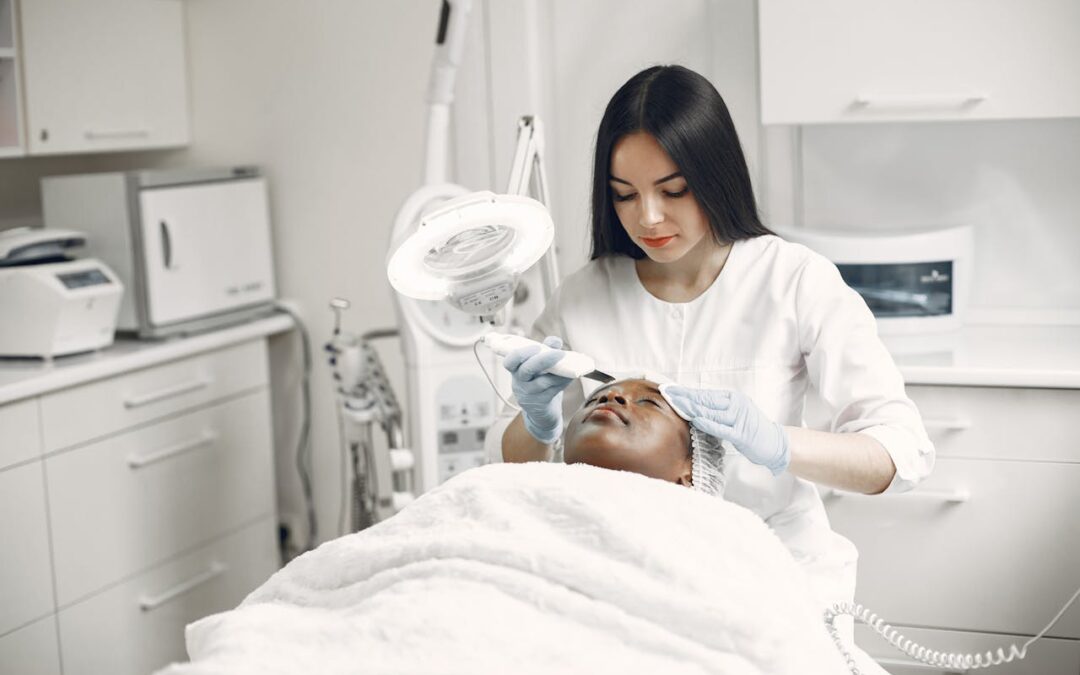
A blemish-reducing facial works to target deep pores by using gentle cleansing, exfoliation, and pore-refining masks that help clean out dirt and oil trapped under the skin. Most facials begin with a gentle cleanser to wash away surface dirt, then steam to loosen the stratum corneum. This step aids in opening pores for deep cleansing. Second, exfoliants or enzymes dissolve dead skin, so your blemish treatment can penetrate deeper pores. Then, pore-purging masks or tools get the gunk out that causes pimples. Each phase is performed to decongest while soothing the skin simultaneously. The body describes each step and how it helps support clear, healthy skin.
Understanding Deep Pore Congestion
Pores are tiny holes in the skin that play a crucial role in our skin’s health, allowing oil and sweat to exit the body. However, when they become congested, they can lead to visible blemishes and breakouts, such as acne blemishes. Deep pore congestion is often caused by excess oil, dead skin, and debris trapped inside, which can be addressed through a targeted blemish treatment plan. Understanding pore anatomy and the relationship between sebum and buildup is essential for effective skincare routines that prevent future blemishes.
The Pore Structure
A pore is the surface opening of a hair follicle lined by skin cells and attached to a sebaceous gland, playing a crucial role in skin care. Each pore acts as a conduit for hair and sebum to travel to the skin’s surface. Pore size varies among individuals, primarily due to genetics and skin type. If you have oily skin or enlarged facial pores, you are more prone to seeing congestion and visible blockages, leading to common skin conditions like acne blemishes. Sebaceous glands at the base of the follicle secrete sebum, a natural oil that keeps skin supple and hydrated. When a pore’s anatomy is altered by swelling or buildup, blockages can occur more easily. Understanding your pores helps inform your skincare routine and treatment plan, especially if you suffer from chronic congestion or acne-prone skin.
Sebum’s Role
Sebum is crucial in safeguarding skin against desiccation, creating a lipid membrane that keeps water in and toxic elements out. However, too much sebum can combine with dead skin cells, leading to clogged pores and common skin conditions like acne blemishes. This dysregulation often originates when hyperactive glands encounter poor washing habits or external culprits. Maintaining healthy skin is about balance; enough oil to prevent drying out and flaking, but not so much that it leads to enlarged facial pores. When sebum accumulates, it can result in blackheads, whiteheads, and shine, particularly in humid weather or after stress hormone surges.
Debris Buildup
Debris inside pores comes from a mix of sources: leftover makeup, air pollution, dead skin, and sweat. Over time, this accumulation stretches pores and can lead to irritation or breakouts, particularly if you miss a day of cleansing. Basic things, such as washing with a mild cleanser that is formulated with salicylic acid, can help prevent pore clogging. Exfoliation, whether with gentle scrubs or benzoyl peroxide products, eliminates entombed debris and leaves skin clear, so pores can “breathe.” Incorporating a gentle skincare routine with sunscreen that has SPF 15, looking for non-comedogenic products, and not scrubbing too hard all reduce the risk of congestion. For stubborn blemishes or entrenched clogging, consulting a board-certified dermatologist provides the best chance at locating a tailored blemish treatment plan that suits each individual’s skin.
How Blemish-Reducing Facials Work
Blemish-reducing facials aim to cleanse and polish the appearance of clogged pores, effectively addressing acne blemishes and other cosmetic concerns. Their purpose is to reduce acne, blackheads, and other blemishes by incorporating a combination of steps with proven results, including deep cleansing and exfoliation. These facials take a multi-pronged approach that includes extraction, soothing infusions, and sometimes high-tech tools. What makes the professional treatment strong is expert technique, thoughtful selection of skin care products, and tailoring for each individual’s needs, ensuring effective and longer-lasting results for a variety of skin types.
1. Professional Cleansing
Blemish-reducing facials start with a professional deep cleansing. It then employs specific cleansers that wipe away dirt, oil, and remaining makeup that remains on the skin’s surface, clogging pores and causing breakouts. By eliminating congestion and surface oils, the skin is prepared for what’s next. Part of cleansing isn’t as much about cleaning the outer layer, but more about prepping the skin so other treatments are more effective.
Experts choose cleansers that work for each individual’s skin type—oily, dry, or sensitive. For instance, gel-based cleansers work for oily skin, while cream-based cleansers are perfect for dry or mature skin. This is where the experience of a trained esthetician comes into play, as they know how to identify what your skin needs and use products that avoid irritation or dryness. Such a level of care is difficult to address with home-use products alone.
2. Targeted Exfoliation
Exfoliation rids the skin of dead skin cells that accumulate on the surface and in pores, causing the skin to look dull and coarse. Facials can incorporate both chemical exfoliants like salicylic acid and physical scrubs, depending on what the skin tolerates. Chemical exfoliation is a common selection for acne-prone skin as it penetrates deep into pores and assists in breaking down blockages.
By eliminating dead skin, it smooths texture and brightens the complexion. It even helps to lighten dark spots left by old blemishes. Gentle exfoliation is key. Too much can irritate or exacerbate acne, so a professional modifies the intensity and kind to suit each situation.
3. Pore Softening
Facials use steam or warm compresses to help open and loosen pores. Soft skin allows easier extraction of blackheads or whiteheads with less pain. The heat loosens sebum and debris inside the pores and enhances the effectiveness of the subsequent extraction stage.
This softening is not merely hygienic. It causes active ingredients in subsequent products to absorb more effectively. Steam and heat need to be applied carefully since too much can desiccate or agitate sensitive skin.
4. Manual Extraction
Manual extraction is an artful technique where an esthetician carefully squeezes the blackheads and whiteheads out. This step is necessary for deep pore cleansing as it opens blocked pores that cleansers or scrubs cannot touch. The proper technique minimizes the chance of scarring or infection.
Aftercare is key. The skin may be treated with an antiseptic or anti-inflammatory product to soothe the area and prevent bacterial recontamination. When done correctly, extractions clear the skin and prevent future breakouts.
5. Calming Infusion
The last step is a soothing infusion. Estheticians apply masks or serums with elements such as aloe or green tea extract to lessen redness and inflammation. Hydration is key at this point because it supports the skin’s healing and barrier rebuilding process.
These soothing mixes are especially effective for reactive or sensitive skin. They provide relief after the more aggressive portions of the facial and help maintain balanced, smooth skin.
Key Active Ingredients
Blemish-reducing facials rely on a combination of active ingredients that combat breakouts, deep pores, and uneven skin tone. Understanding the function of these ingredients is crucial for anyone aiming to navigate skincare products and regimens intelligently. The perfect combination not only purges pores but also aids in preventing future breakouts. Ingredient savvy can assist you in selecting products that match your skin type and requirements, making results more consistent. Here are some main ingredients found in these facials:
- Salicylic Acid: A beta-hydroxy acid (BHA) well-known for its ability to break down dead skin and clear clogged pores. It is common in cleansers and spot treatments at a strength of 0.5 to 2 percent.
- Glycolic Acid: An alpha hydroxy acid (AHA) that exfoliates, improves skin texture, and fades dark spots.
- Enzymes: These gently exfoliate and help break down dead skin cells without harsh scrubbing.
- Niacinamide is a form of vitamin B3 that calms redness, reduces pore size, and helps balance oil.
- Benzoyl Peroxide: Known for killing acne-causing bacteria. It may cause dryness.
- Tea Tree Oil: A natural option with antimicrobial properties, sometimes used at five percent strength.
- Azelaic Acid: Fights bacteria and soothes inflammation. It is useful for acne-prone skin.
- Retinol: Speeds up cell turnover and boosts collagen. It is often used at night.
- Hyaluronic Acid: Draws moisture into the skin, keeping it plump and not clogging pores.
- Lactic Acid: Another AHA that gently exfoliates and hydrates.
These ingredients frequently team up to decongest pores, soothe skin, and promote a more balanced tone. Opting for products with proven actives formulated for skin type presents the best opportunity for actual results.
Salicylic Acid
|
Effect |
Evidence |
Example Use |
|
Unclogs pores |
BHA dissolves oil, clears pores |
2% toner, cleanser |
|
Fights breakouts |
Reduces acne in studies |
Spot treatment |
|
Prevents new acne |
Lowers pore block risk |
Daily wash |
Salicylic acid, in particular, is noteworthy for its pore-penetrating power. It breaks down the oils and dead cells that clog pores and cause pimples. Utilized in 0.5 to 2 percent strengths, it is included in cleansers, toners, and spot treatments. Oily and acne-prone skin types receive the greatest advantage since it manages shine and keeps pores clear.
Overuse can cause dryness or irritation, so less is more. When used every other day or as recommended by your professional, it maintains balance and prevents redness.
Glycolic Acid
Glycolic acid busts the bonds that hold dead skin cells together, helping them slough away to expose smoother skin. This enhances texture, softens rough patches, and can fade old blemish marks in time. The reason it is so effective is its small molecule size, which allows it to reach deeper layers of skin.
It accelerates cell turnover, so new, healthy cells get to the surface sooner. It can fade dark spots and even skin tone, which is helpful for people dealing with pigmentation or scarring.
For those with uneven skin tone, glycolic acid is a great pick. It aids in evening out color and texture inconsistencies.
You must wear sunscreen every day with glycolic acid. It can increase the skin’s sensitivity to the sun and burning.
Enzymes
Enzymes such as papain (papaya) and bromelain (pineapple) gently rattle dead skin loose, aiding skin in sloughing off sans scrub. This makes them great for sensitive skin or acid-irritated people.
These treatments typically result in minor redness and irritation. Enzyme masks leave skin looking brighter and feeling softer after a single use.
Enzymes do the heavy lifting to amplify other face steps, making actives like serums and creams more absorbable.
Niacinamide
Skin-calming niacinamide calms redness and inflamed areas, so it’s great for anyone who has active blemishes.
This component controls oil, resulting in less clogged pores over time. It can minimize the appearance of enlarged pores, leaving skin looking smoother and more polished.
Another plus is its support for the skin barrier. Niacinamide helps skin retain moisture, which means less dryness and greater comfort.
It addresses a ton of issues, including acne, redness, dryness, and even dark spots, which makes it a versatile option in contemporary facials.
Immediate Versus Long-Term Benefits
Facials that reduce blemishes, such as acne blemishes, attack deep pores through a combination of cleansing, exfoliation, and targeted treatments. These techniques help to unclog pores, enhance skin texture, and support the skin’s natural regeneration process. While immediate benefits are noticeable right after treatment, the long-term gains require a consistent skincare routine and daily care.
|
Benefit Type |
Immediate Results |
Long-Term Results |
|
Skin Texture |
Smoother, softer feel |
Refined texture, fewer rough patches |
|
Radiance |
Noticeable glow, brighter complexion |
Steady radiance, more even tone |
|
Cleansing |
Cleared blackheads, whiteheads, and reduced oiliness |
Less congestion, fewer breakouts |
|
Elasticity |
Temporary plumping from hydration |
Improved firmness, less sagging |
|
Moisture |
Increased hydration |
Stronger moisture barrier, lasting hydration |
|
Aging Signs |
Reduced appearance of fine lines (short-term) |
Minimized wrinkles, delayed aging |
|
Scarring |
Slight fading of marks post-facial |
Diminished acne scars, smoother skin |
What To Expect
Most of us get smoother skin and a dewy glow right after a zit-busting facial, particularly when using effective blemish treatment products. Deep cleaning zaps blackheads and whiteheads, making enlarged facial pores appear smaller. Skin becomes softer and brighter, providing the immediate gratification many seek.
Post-treatment, you may experience slight redness or sensitivity, common symptoms that generally subside within a few hours. These effects indicate the skin is reacting to active ingredients and mechanical exfoliation, which are essential in a consistent skincare routine.
This is where following the after-care steps shared by your dermatologist is crucial. This might involve avoiding aggressive products, steering clear of sun exposure, and moisturizing. Proper aftercare not only aids the skin’s healing process but also helps retain the benefits of your facial treatment.
Expectations should remain realistic. While pores appear clearer and the skin glows, more significant changes, such as fading acne marks or improving skin elasticity, require time and multiple sessions. One session cannot undo years of buildup or damage.
The Cumulative Effect
Facials every 4–6 weeks assist the skin in maintaining its advancements. With each session, the benefits add up. Pores stay cleaner, breakouts are less likely, and the skin’s texture evens out. Over months, the skin’s strength and glow become more apparent.
Complementing facials with a straightforward, no-fuss skincare routine at home—read: mild cleansers, SPF, uncomplicated moisturizers—delivers maximum impact. This combo controls oil, soothes acne, and protects against age-accelerating damage.
Serious gains come from treating the underlying issues as well. Expert guidance assists in discovering what causes breakouts or dullness, be it stress, diet, or abrasive merchandise. The right plan leads to immediate and long-term benefits, resulting in fewer surprises and more stable skin health.
Monthly facials are an upfront cost. In the long run, they can fade old acne scars, reduce wrinkles, and assist the skin in retaining moisture. These long-term changes require time, patience, and routine.
Beyond The Treatment Room
Blemish-reducing facials can clear deep pores and are essential in a comprehensive skincare routine. Real skin health comes from what you do daily, including the use of effective skin care products. Environmental factors, such as pollution and UV rays, harm skin and accelerate the aging process. Daily care and smart lifestyle choices play a big role in long-term results, making a consistent skincare routine vital for maintaining skin vitality.
Your Daily Routine
- Wash skin twice daily with a gentle, pH-balanced cleanser.
- Use a non-comedogenic moisturizer to support the skin barrier.
- Take action with on-demand treatments, like salicylic acid or niacinamide serums, to tackle blemishes and minimize pores.
- Use a broad-spectrum SPF 30 or higher sunscreen every morning.
- Remove makeup and sunscreen fully at night.
- Exfoliate gently 1–2 times each week, avoiding harsh scrubs.
- Stay consistent—repeat these steps every day.
A good face wash is crucial for eliminating excess oil, grime, and pollution that can lead to enlarged facial pores. Moisturizers keep your skin hydrated and prevent it from becoming dry, which can cause increased acne blemishes and irritation. Treatments, such as spot creams or serums, can effectively address specific skin concerns, like inflammation or congested pores. It all comes down to selecting the right skincare product for your skin type. Think gel-based moisturizers for oily skin and richer creams for drier types.
Sunscreen is essential for everyday use. UV rays penetrate through both clouds and windows, damaging your skin and causing cutaneous aging even when you don’t feel the sun directly. Broad-spectrum products with SPF 30 or higher have been shown to reduce the risk of sunburn, mitigate fine lines, and protect against dark spots. Every morning, applying sunscreen is an easy yet powerful line of defense.
It’s consistency that yields results. A regular skincare routine is a daily lifestyle commitment, not a once-in-a-while affair. A regimen, even on busy days, keeps pores clear and skin balanced.
Professional Guidance
Dermatologists and licensed estheticians can provide recommendations tailored to your skin’s requirements, especially for issues like acne, blemishes, and pigmentation problems. Tailored advice ensures you’re applying skin care products and rituals that work for your specific skin type and concerns. Not all zits and pore issues respond to the same treatments, so a professional can pinpoint underlying issues and recommend the optimal blemish treatment plan.
Regular skin checks, such as annual appointments with a dermatologist, assist in monitoring changes. Skin concerns evolve with age, weather, or lifestyle. Tweaking your routine with professional guidance can help avoid future blemishes and keep results on course.
Professionals know what’s worked and what to avoid. They can suggest evidence-based treatments, like medical-grade serums or topical retinoids, for persistent issues.
To identify a qualified specialist, verify credentials, and seek out board-certified dermatologists or licensed skincare professionals. Trusted reviews and referrals can assist.
Lifestyle Impact
- Eat plenty of fruits, vegetables, and whole grains.
- Get enough sleep every night.
- Manage stress with exercise, meditation, or hobbies.
- Avoid smoking and limit alcohol intake.
- Drink plenty of water.
Daily stress can cause breakouts, particularly for acne-prone or sensitive skin. Practices such as deep breathing or exercise can keep stress under control and help skin heal.
Smoking, for instance, is notorious for terrible skin. It impedes circulation, harms collagen, and accelerates wrinkling. Staying away from tobacco and limiting alcohol consumption can keep skin clear and strong.
Balanced care means taking care of your skin inside and out. Facials and products count, but so do what you eat, how you sleep, and your habits. Skincare isn’t one magic bullet, but a combination of actions.
Is This Facial For You?
Choosing a blemish treatment facial requires careful consideration of your skin’s specific needs and tendencies toward treatment. These facials can be quite intensive, as they focus on reducing acne blemishes and clearing out enlarged facial pores. However, it’s essential to recognize that not all skin types respond the same way. Before scheduling an appointment, assess your skin type, any existing conditions, and your goals to determine if this facial aligns with your skincare routine.
Skin Suitability
Oily and acne-prone complexions typically respond best to blemish-busting facials. Deep pore cleansing can help if you struggle with excess sebum and breakouts. Anyone with dry or sensitive skin will probably experience more irritation or dryness post-treatment if the products aren’t selected with care.
Things like rosacea or eczema require extra care. Potent exfoliants and some acids can intensify redness or cause flare-ups. For example, a rosacea sufferer should dodge facials with aggressive peels or heavy extractions, because these can rupture capillaries or exacerbate inflammation. It’s important to note that if you have very sensitive skin, thin skin, or broken capillaries, you may want to avoid these facials altogether or opt for lighter versions.
You need a professional skin analysis. An expert esthetician can examine your skin under a bright lamp, inquire about your background, and recommend the appropriate facials for you. They may suggest a patch test to ensure that you don’t react to the products. Each facial is customized to ensure the steps align with your needs, whether you’re looking to brighten dull skin, treat hyperpigmentation, or simply maintain healthy skin.
Potential Side Effects
Typical side effects of blemish-reducing facials are redness, slight swelling, or sensitivity. These usually subside within a few hours. For highly sensitive or reactive skin, signs can persist. If the facial involves strong acids, enzymes, or extractions, the risk for irritation is greater.
It’s good to know the risk of certain ingredients. Salicylic acid and benzoyl peroxide, for instance, are common in acne treatments, but can desiccate or peel the skin if used too frequently. Others could be sensitive to essential oils or perfume in face products. Always request an ingredient list and discuss allergies or past reactions with your esthetician.
Aftercare is crucial for minimizing side effects. Use gentle cleansers, stay away from the sun, and don’t pick at your skin post-facial. Moisturizers and sunscreen aid the healing process and protect the skin from additional irritation. If you experience itching, swelling, or little bumps, cooling compresses and soothing creams formulated for sensitive skin can assist. If the symptoms continue, see a dermatologist to rule out allergies.
Conclusion
Blemish-reducing facials go right to the source—how does one target deep pores? They decongest oil and grime, chip away at compacted pore layers, and use time-tested acne-busters that promote clear skin. You notice smoother skin immediately afterward, but these benefits stick around longer with a consistent at-home regimen. Every step, from steam to masks, cooperates with your skin’s needs, not fights against them. For those with persistent marks or congested pores, this facial delivers a clean advantage against blemishes. To really maximize any treatment, maintain simple care daily. Need more advice or have a skin question? Contact or visit our blog for practical information and guidance.
Frequently Asked Questions
1. What Is Deep Pore Congestion?
Deep pores can become clogged due to surplus sebum, dead skin cells, and grime, leading to common skin conditions like blackheads, whiteheads, and breakouts.
2. How Do Blemish-Reducing Facials Target Deep Pores?
These facials utilize gentle exfoliation, cleansing, and extractions to eliminate impurities from deep in the facial pores, helping to clear up existing blemishes and prevent future blemishes.
3. What Are The Main Active Ingredients In These Facials?
Common ingredients in skincare products include salicylic acid, glycolic acid, and niacinamide, which help control oil production and treat acne blemishes.
4. How Soon Can I See Results After A Facial?
Certain users experience immediately more radiant, smoother skin, which can be enhanced with effective skin care products and a consistent skincare routine.
5. Are Blemish-Reducing Facials Safe For All Skin Types?
While most facials work for many skin types, including those with acne blemishes, they can be toned down for sensitive skin. A dermatologist can advise the optimal treatment plan for your specific skin concerns.
6. How Can I Maintain Results After The Treatment?
There is no such thing as a blemish treatment that effectively targets deep facial pores, but professional dermatological care can prolong results.
7. Who Should Consider A Blemish-Reducing Facial?
If you have clogged pores, blackheads, or suffer from persistent acne blemishes, this is for you. It is best to consult a dermatologist to ensure the facial treatment suits your specific skin concerns.
Clear Your Skin And Boost Your Confidence With Acne-Focused Facial Treatments
Struggling with constant breakouts or skin that won’t calm down? At Simply Skin Esthetics in downtown Walnut Creek, our acne-focused facial treatments are designed to clear congestion, calm inflammation, and help you achieve smoother, healthier-looking skin. We target the root causes of acne, clear clogged pores, and support long-term skin balance so you can feel confident without relying on heavy products or filters.
This is more than a basic facial. It’s a targeted treatment that helps reduce active breakouts and improve skin clarity so you can finally see real change. Many clients notice visible improvement in their skin, and keep coming back because their complexion continues to get clearer and more balanced over time.
Along with our acne-focused facials, we offer a full range of services to support your skin goals, including Ultrasound and Signature Facials, Men’s Facials, Express Facials, Treatments and Peels, Teen Facials, and Back Facials. Whether you’re preparing for a special event, working toward long-term clear skin, or need a seasonal reset, we’re here to help you feel great in your skin.
Book your appointment today and see why Simply Skin Esthetics is Walnut Creek’s trusted destination for clearer, healthier skin year-round.